Feb, 18 2026
Europe
Explore the Rich History of Vienna, Austria
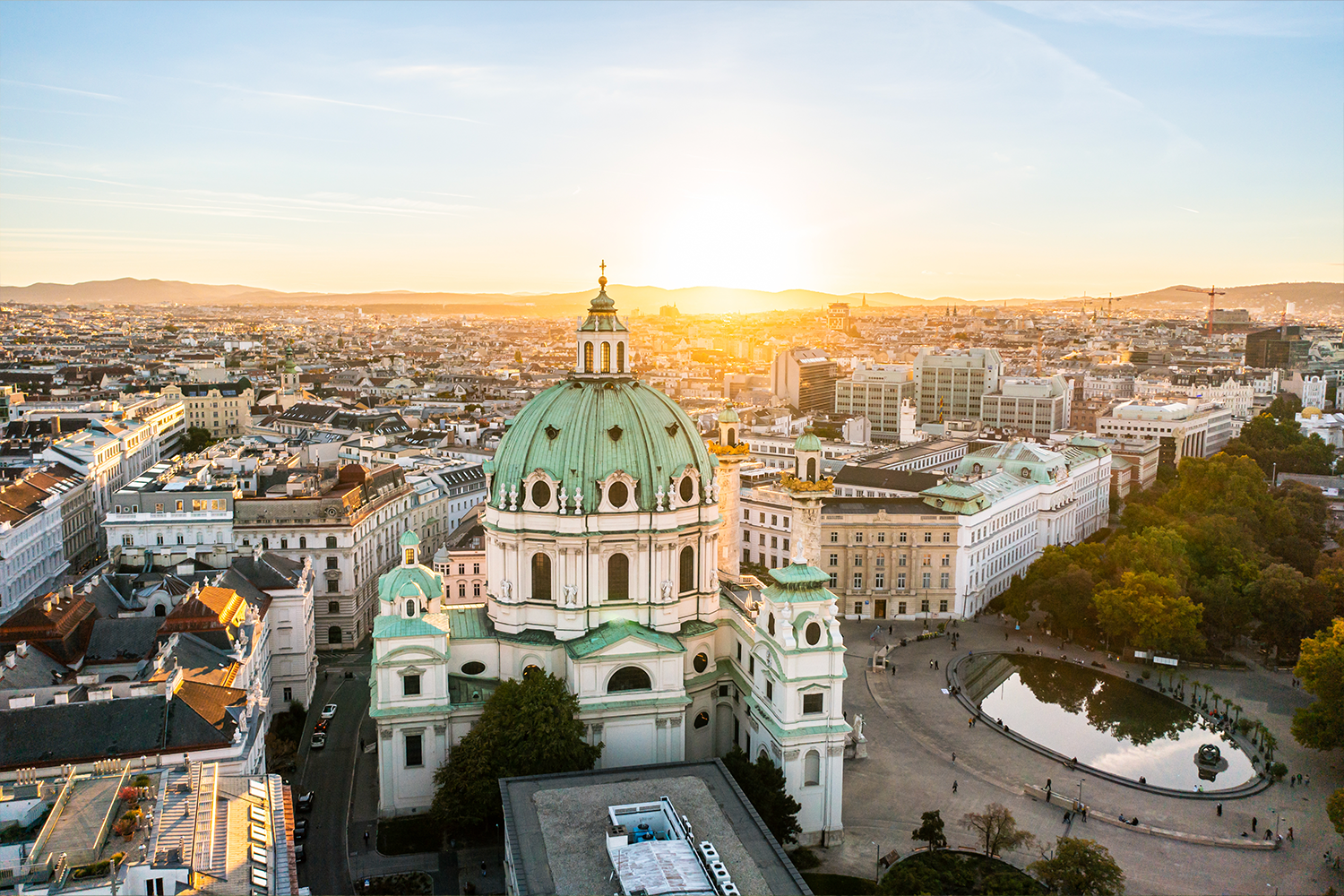
Vienna, the capital city of Austria, is a vibrant metropolis and a cultural hub with a rich history. With over two million inhabitants, Vienna stands as a primate city in Austria, boasting a larger metropolitan area of nearly 2.9 million people. Situated on the eastern edge of the Vienna Woods and traversed by the Danube River, this city is a blend of natural beauty and urban charm.
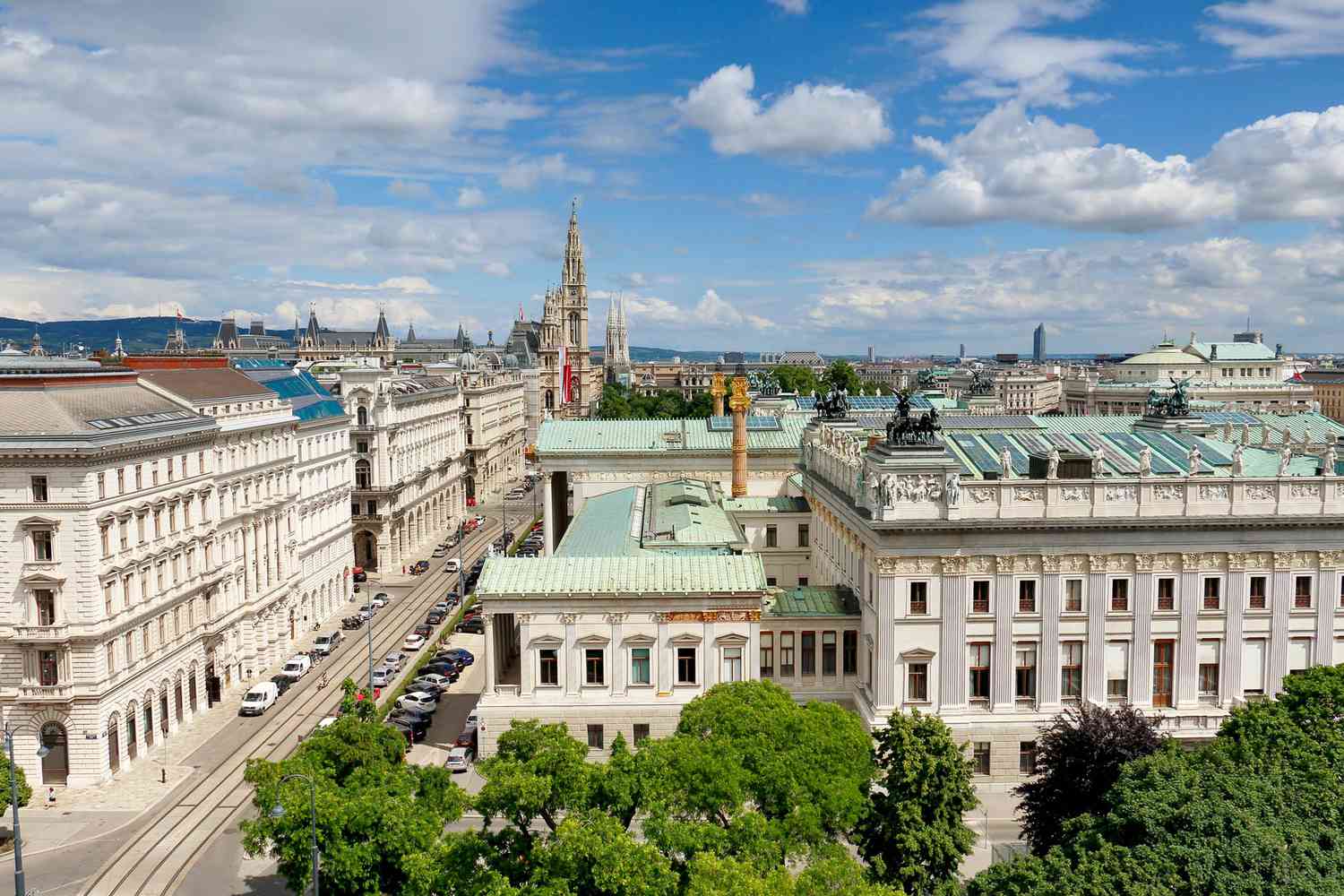
The history of Vienna dates back to Roman times when the once Celtic settlement of Vedunia was transformed into the Roman castrum Vindobona in the 1st century. Over the centuries, Vienna saw the influence of various rulers, including the Babenbergs and the Habsburgs, who established it as a significant European city. Vienna's historical journey is evident in its architectural ensembles, including Baroque palaces, gardens, and the majestic Ringstraße.
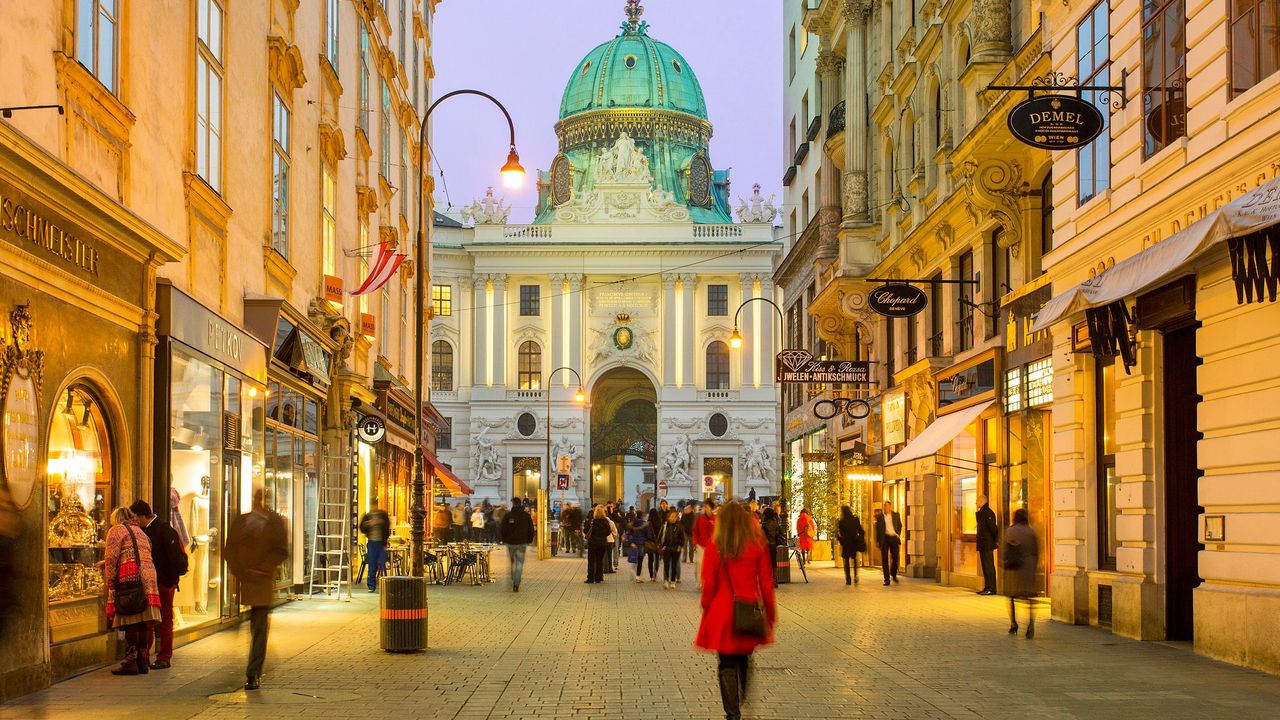
Vienna has earned the title of the 'City of Music' due to its remarkable musical legacy. The city has been home to renowned classical musicians like Mozart, Beethoven, and Schubert. Additionally, Vienna boasts a rich cultural heritage, being the birthplace of psychoanalyst Sigmund Freud. The city center is a UNESCO World Heritage Site, showcasing its historical and architectural significance.
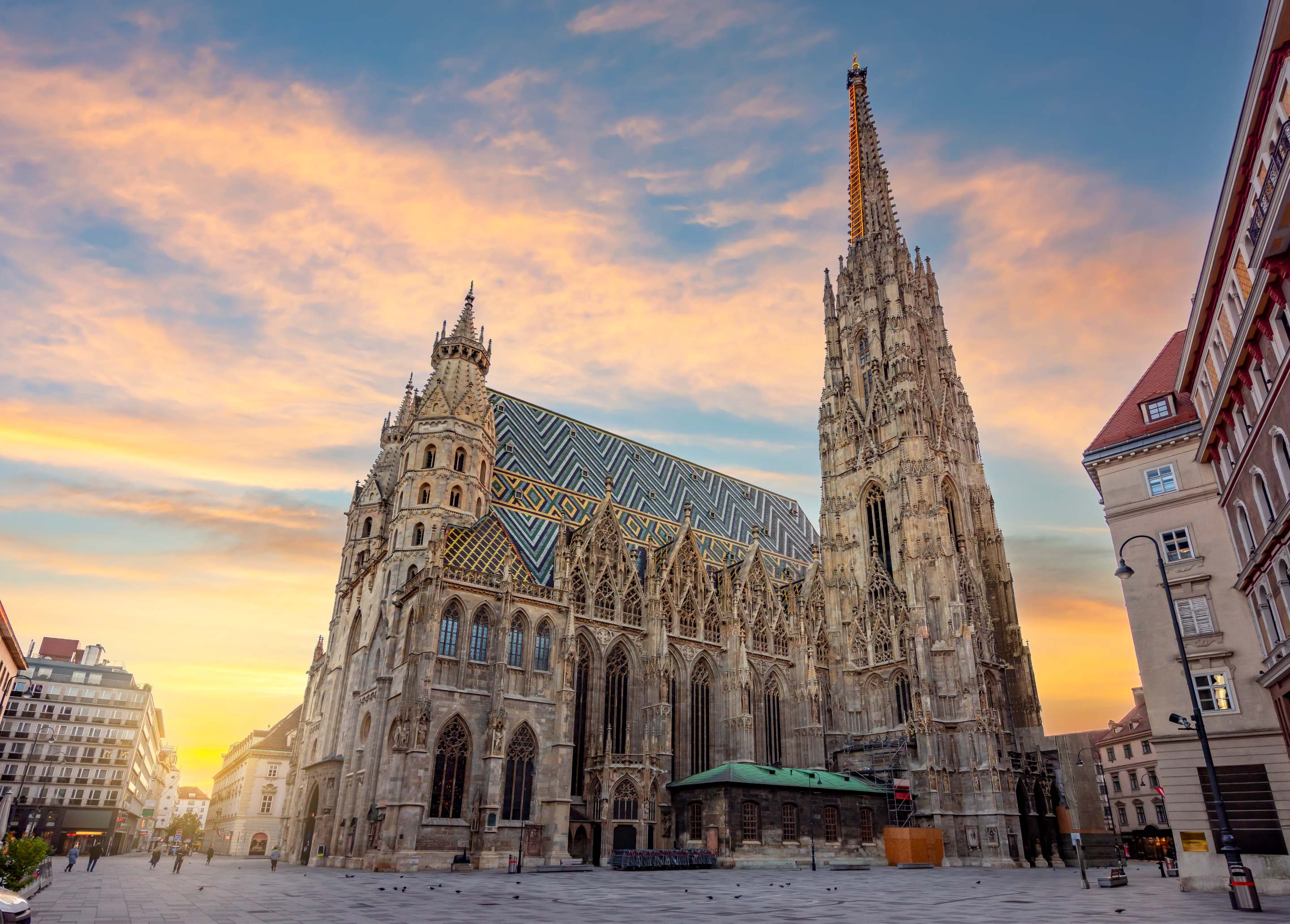
In addition to its cultural prowess, Vienna is known for its livability, consistently ranking as one of the most livable cities globally. The city has been a hub for major international organizations such as the United Nations and OPEC. Vienna's charm lies in its blend of historical grandeur and modern amenities, making it a must-visit destination for travelers seeking a mix of culture and sophistication.
The etymology of Vienna reflects its diverse heritage, with names derived from Celtic, Latin, and Germanic origins. The city's name is linked to ancient Celtic roots, possibly meaning 'white village,' while the German name Wien comes from the river Wien. Vienna's multicultural past is evident in the various names it has been called in different languages, highlighting its historical significance and diverse influences.
From its Roman origins to its prominence during the Austro-Hungarian Empire, Vienna has witnessed significant historical events. The city played a central role in European politics and culture, hosting events such as the Congress of Vienna in the early 19th century. Vienna's evolution into a modern European capital is a testament to its resilience and adaptability over the centuries.
Visitors to Vienna can explore its vibrant history through its museums, palaces, and music venues. The city's architectural marvels, such as Schönbrunn Palace and Belvedere Palace, offer a glimpse into its imperial past. Strolling along the historic Ringstraße or enjoying a concert in one of Vienna's renowned music halls provides a unique experience that blends the old and the new.
Whether you are a history enthusiast, a music lover, or simply seeking a cosmopolitan travel experience, Vienna has something to offer every traveler. Immerse yourself in the rich tapestry of Vienna's past and present, and discover why this city continues to captivate visitors from around the world.