Feb, 14 2026
Africa
Victoria Falls: A Marvel in Africa
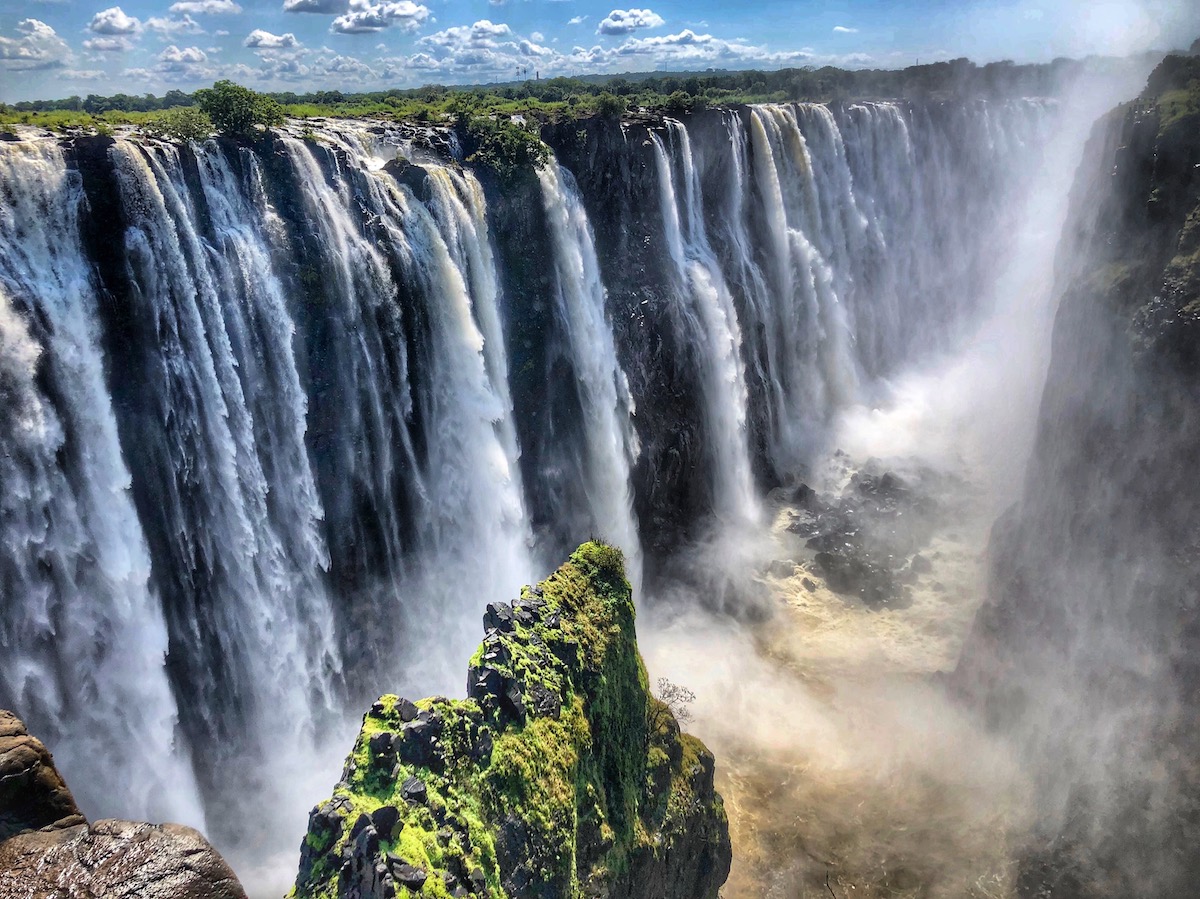
Victoria Falls, also known as Mosi-oa-Tunya and Shungu Namutitima, is a breathtaking waterfall located on the Zambezi River, straddling the border between Zambia and Zimbabwe. With a width of 1,708 meters (5,604 ft), it is one of the largest waterfalls globally, offering a spectacular display of nature's power and beauty.
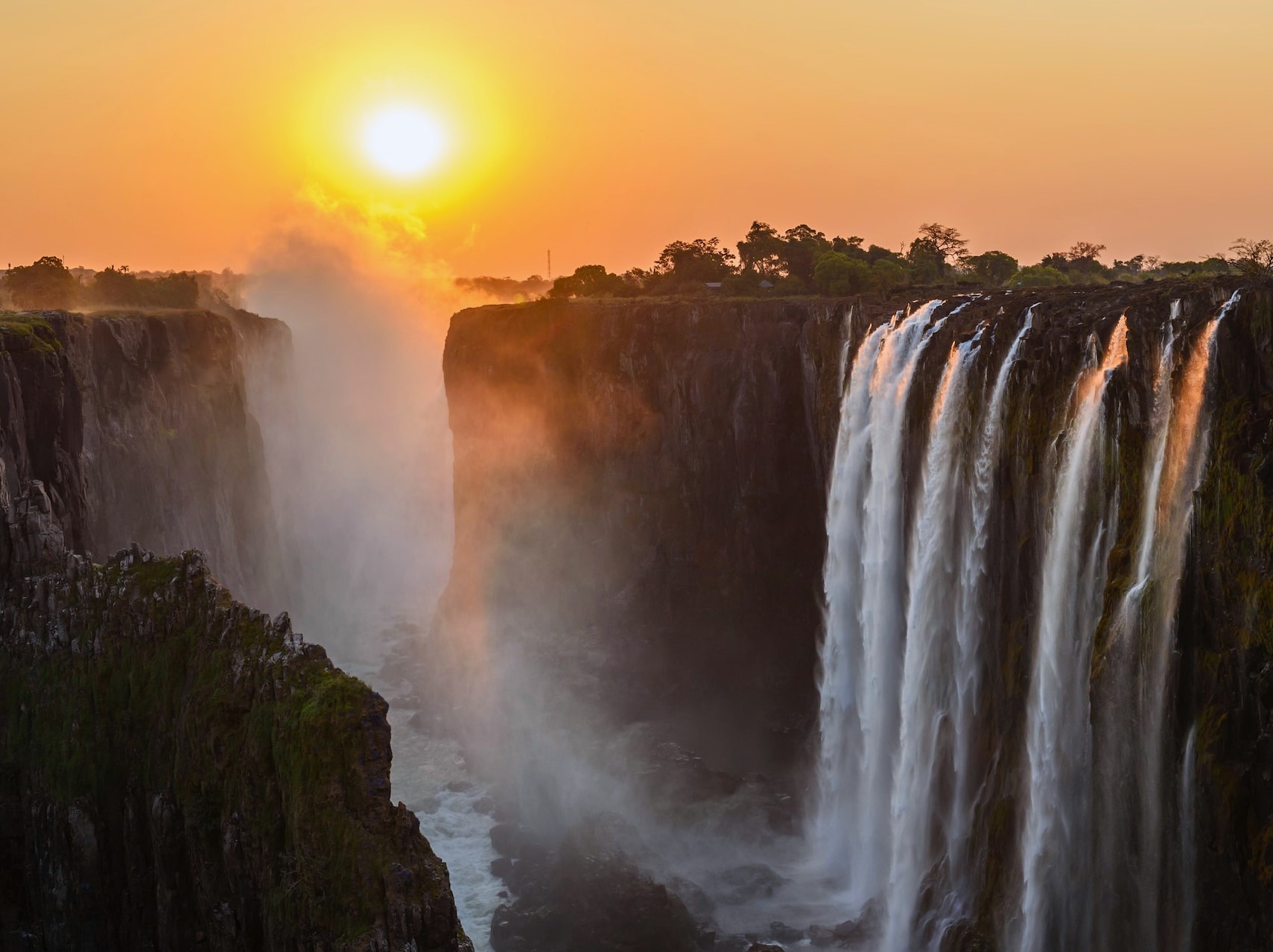
The area surrounding Victoria Falls boasts a rich biodiversity, housing a plethora of plant and animal species. Archaeological evidence and oral history reveal a deep-rooted African connection to the site, with Scottish missionary David Livingstone being the first European to officially document the falls in 1855. He christened the falls 'Victoria Falls' in honor of Queen Victoria, a name that endures alongside the local names, Mosi-oa-Tunya and Shungu Namutitima.
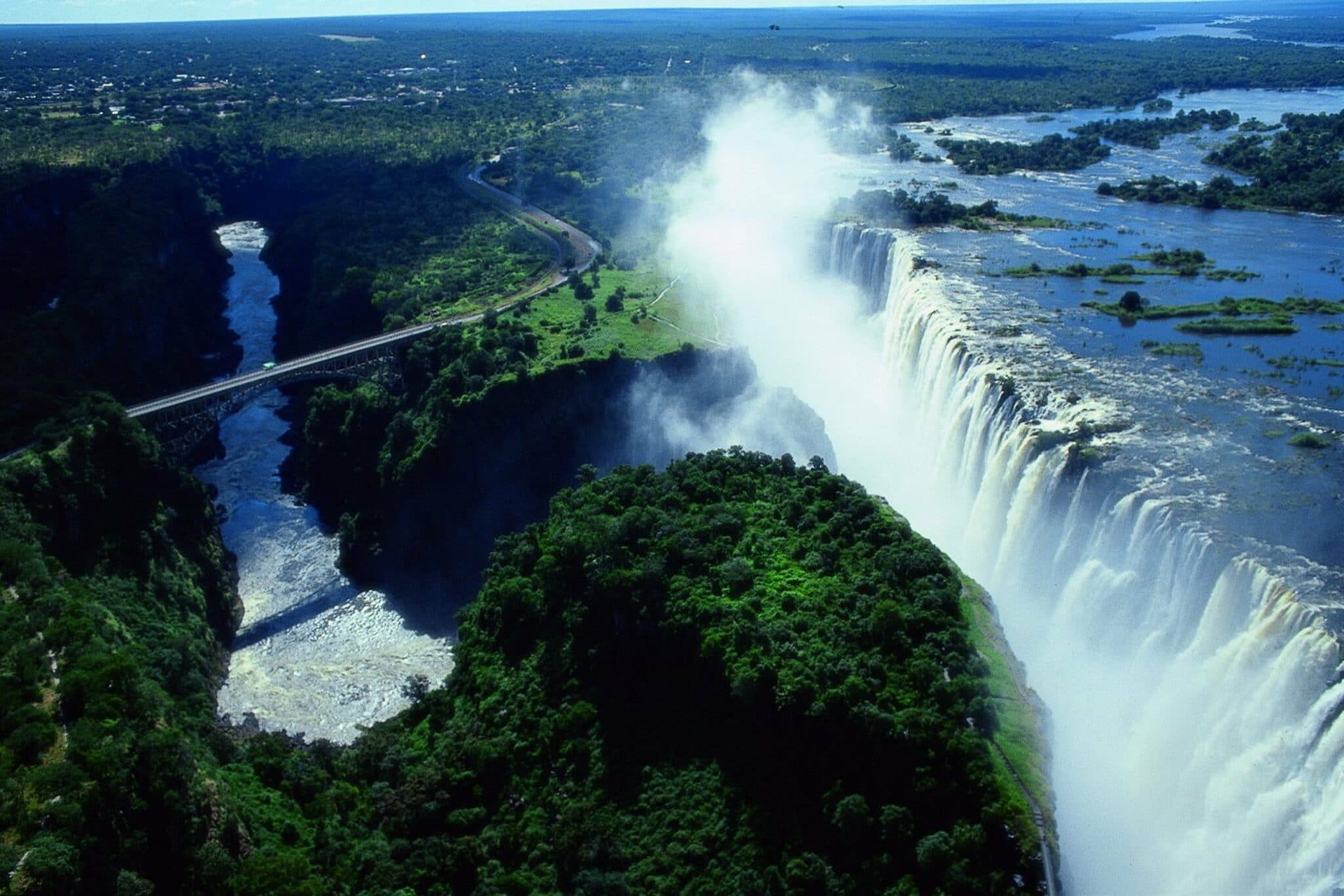
Victoria Falls is renowned for its immense size, combining a width of 1,708 meters (5,604 ft) and a height of 108 meters (354 ft). The Zambezi River cascades over the falls, creating the largest sheet of falling water globally. The surrounding landscape features a level basalt plateau and tree-covered islands, enhancing the majestic setting of the falls.
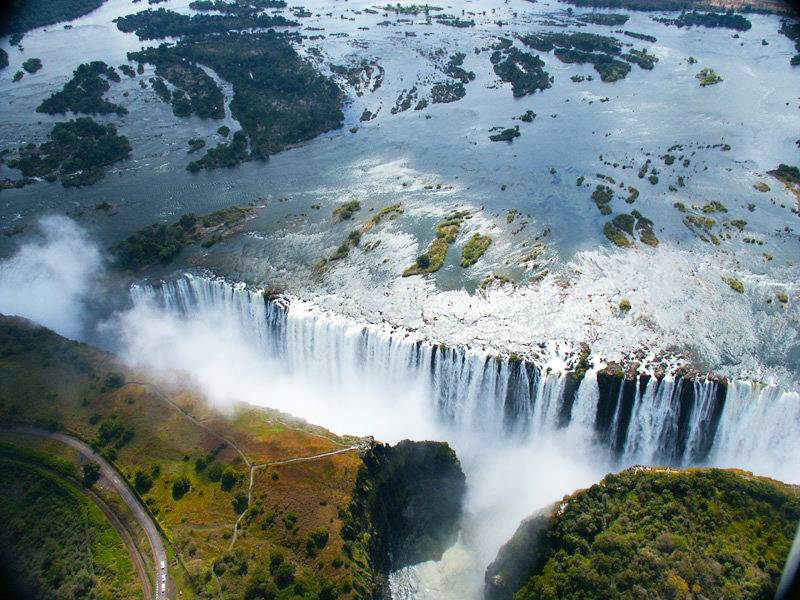
The Zambezi River experiences distinct seasons, with a rainy period from late November to early April and a dry season for the remainder of the year. During the annual flood season from February to May, the falls unleash a remarkable display, with spray rising over 400 meters (1,300 ft) into the air. Visitors can witness a mesmerizing 'moonbow' during full moon nights, adding to the allure of the falls.
As the dry season sets in, the Zambezi's flow decreases, revealing more islets on the crest of Victoria Falls. From September to January, parts of the rocky face may dry up, allowing adventurous explorers to walk across certain sections. The fluctuating water levels offer a dynamic experience, with the falls undergoing transformations throughout the year.
The geological formation of Victoria Falls dates back millions of years, with the Zambezi River carving through basaltic rock to create the iconic chasm and gorges visible today. The region's history, from pre-colonial times to European explorations in the 19th century, adds layers of intrigue to this natural wonder. The Victoria Falls area has witnessed a blend of cultural interactions and historical milestones, shaping its narrative as a significant landmark in Africa.
Visitors can explore the series of gorges formed by the Zambezi River, each offering unique perspectives of the falls. From the First Gorge, where the river plummets into a narrow chasm, to the Boiling Pot in the Second Gorge, Victoria Falls showcases nature's raw power and geological artistry. The diverse gorges provide a glimpse into the region's geological evolution and the river's relentless force.
Victoria Falls Bridge, an iconic structure spanning the Zambezi River, has played a pivotal role in connecting Zambia and Zimbabwe, fostering tourism and trade in the region. The bridge serves as a gateway to the awe-inspiring spectacle of Victoria Falls, inviting travelers to witness this natural marvel up close. Whether admiring the falls from viewpoints or embarking on thrilling adventures, Victoria Falls promises an unforgettable journey into the heart of Africa's wilderness.