Mar, 07 2026
Asia
Luang Prabang: Capital of Luang Prabang Province
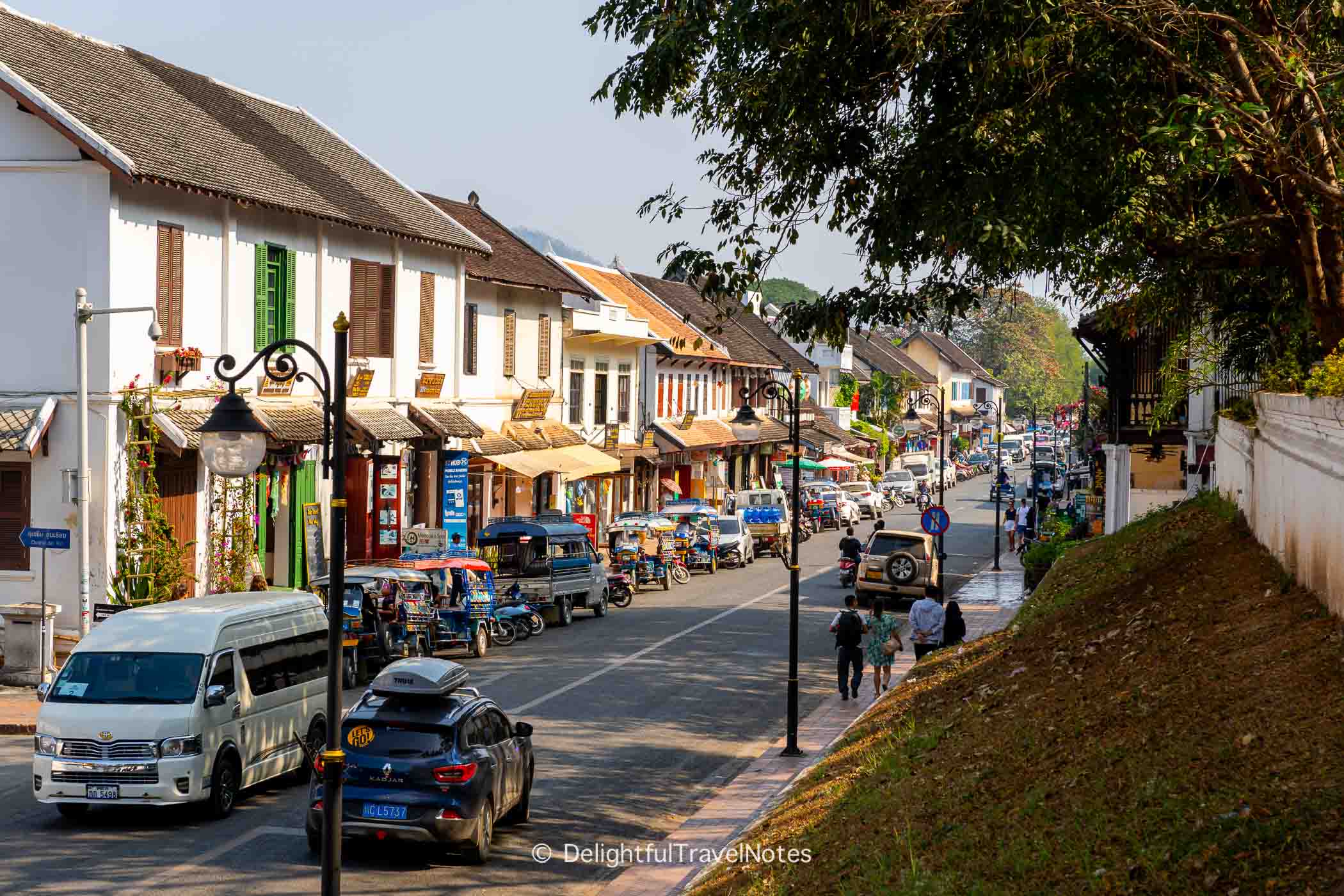
Nestled in north-central Laos, Luang Prabang, also known as Xieng Thong, is a city steeped in rich history and cultural significance. Its name, meaning “Royal Buddha Image,” reflects the essence of the city, symbolized by the Phra Bang statue embodying Lao sovereignty. Recognized as a UNESCO World Heritage Site in 1995, Luang Prabang is a harmonious blend of traditional Lao architecture, European colonial buildings, and a plethora of Buddhist temples.
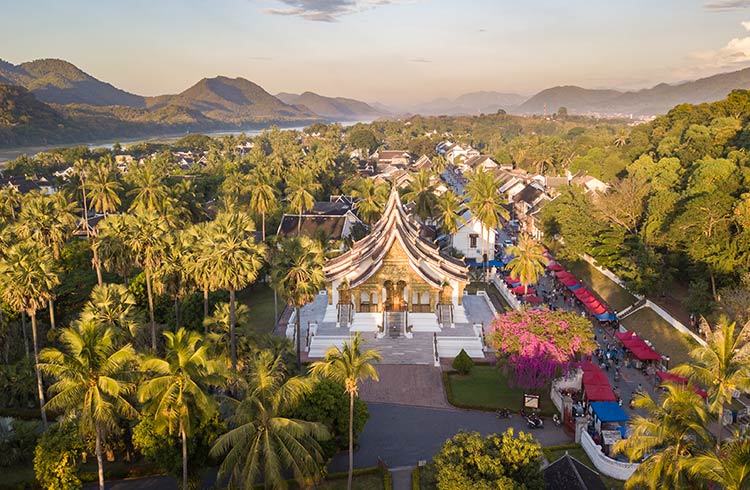
The history of Luang Prabang dates back centuries, with influences from Dvaravati city-state kingdoms and the Lan Xang period. The city served as the capital of the independent Kingdom of Luang Phrabang before becoming an integral part of Laos when the country achieved independence. Its historical significance is further underscored by its designation as a UNESCO World Heritage Site, acknowledging its well-preserved townscape and cultural heritage.
Luang Prabang played a significant role during World War II, witnessing occupations by various foreign powers. The town's involvement in the war and subsequent events shaped its trajectory, culminating in its positioning as a key player in the region's geopolitical landscape. The resilience and fortitude displayed by the city during these turbulent times are a testament to its enduring spirit.
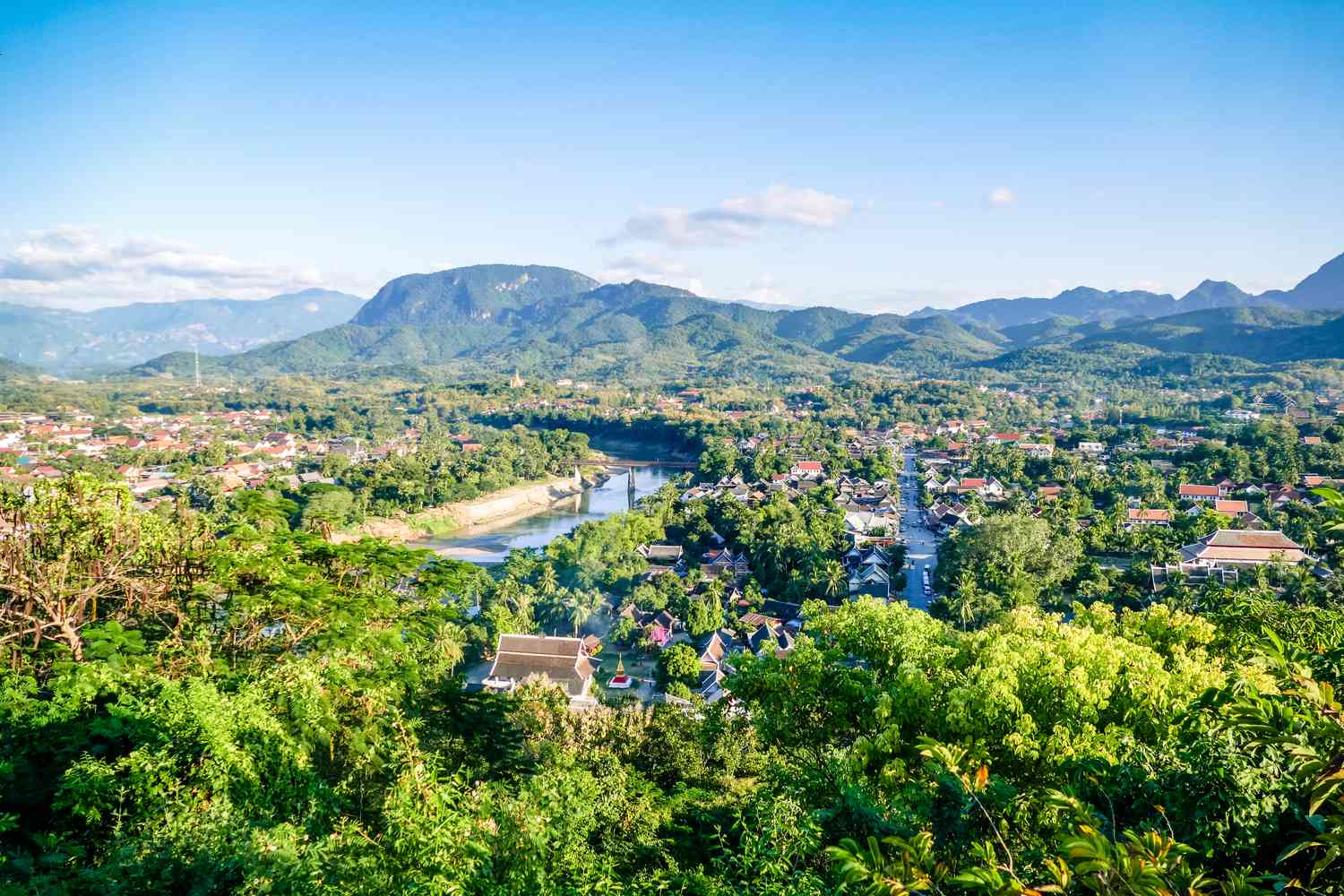
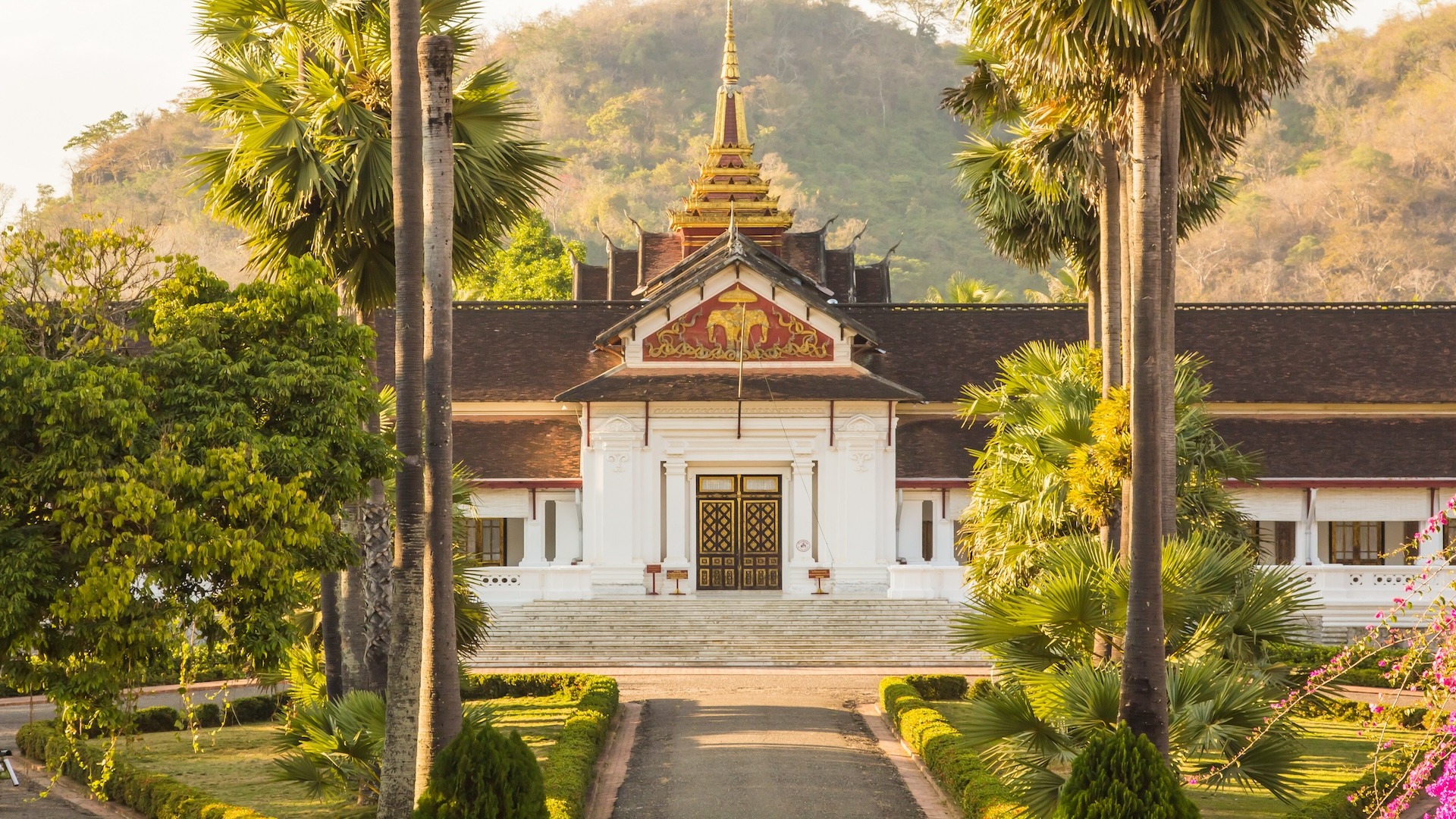
Today, Luang Prabang is a vibrant hub of tourism, offering visitors a myriad of attractions to explore. Natural wonders like the Kuang Si Falls, Tat Sae Waterfalls, and Pak Ou Caves beckon adventurers seeking to immerse themselves in Laos' picturesque landscapes. Additionally, cultural sites such as the Haw Kham Royal Palace Museum and Wat Xieng Thong temple provide insights into the city's storied past.
Gastronomy in Luang Prabang is a delightful fusion of flavors, with local dishes like Or lam, Luang Prabang sausage, and mokpa tantalizing taste buds. The town's culinary offerings reflect the diversity of Lao cuisine, with dishes made from fresh, locally sourced ingredients. Visitors can savor the authentic flavors of Luang Prabang while exploring its bustling markets and quaint eateries.
Transportation in Luang Prabang is facilitated through various modes, including air, road, and rail connections. Luang Prabang International Airport serves as a gateway to the city, linking it to domestic and international destinations. The city's road network, particularly Route 13, provides convenient access to neighboring towns and attractions, while the newly inaugurated Vientiane–Boten railway offers a scenic journey through Laos' picturesque landscapes.
Education in Luang Prabang is exemplified by institutions like the French international school, École francophone de Luang Prabang, catering to the city's diverse expatriate community. The presence of educational facilities underscores Luang Prabang's commitment to providing quality learning opportunities for residents and visitors alike.