Feb, 01 2026
South America
Exploring the Galápagos Islands
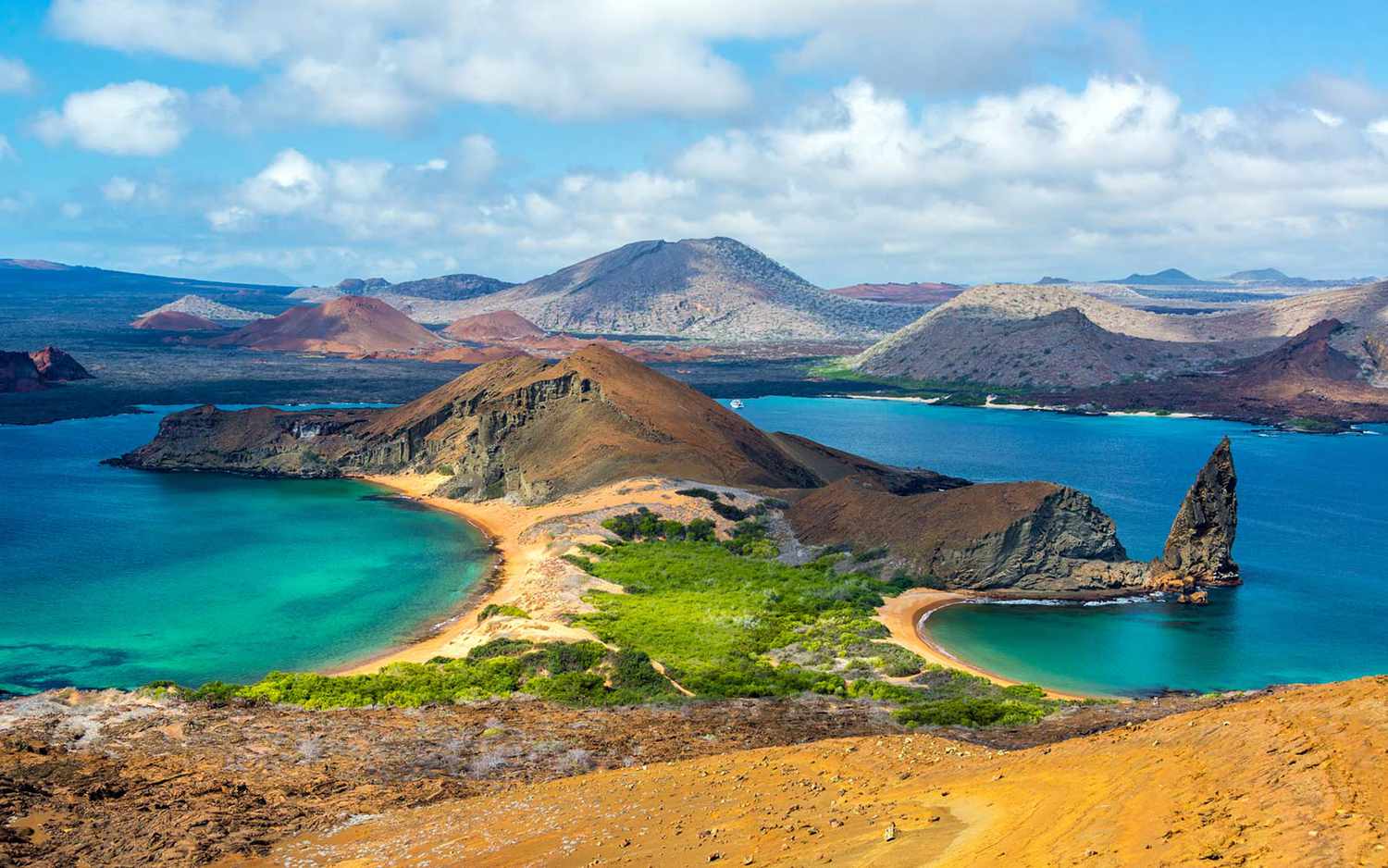
The Galápagos Islands, an archipelago of volcanic islands in the Eastern Pacific, are a natural wonder located around the equator, 900 km west of South America. With a population of slightly over 33,000, the islands are famous for their large number of endemic species, studied by Charles Darwin in the 1830s, which inspired his theory of evolution by means of natural selection. The Galápagos Province of Ecuador includes the cantons of San Cristóbal, Santa Cruz, and Isabela, the three most populated islands in the chain. These islands are protected as part of Ecuador's Galápagos National Park and Marine Reserve.
The history of the Galápagos Islands is rich with tales of exploration and discovery. Accidentally discovered by Bishop Tomás de Berlanga in 1535, the islands were largely ignored by the Spanish Empire during the Golden Age of Piracy. The islands were later claimed by Ecuador in 1832, with colonization efforts led by José de Villamil. The islands have since seen a shift towards ecotourism, with the first airport being built in the 1930s and modernized in the 2010s to accommodate the growing number of visitors each year.
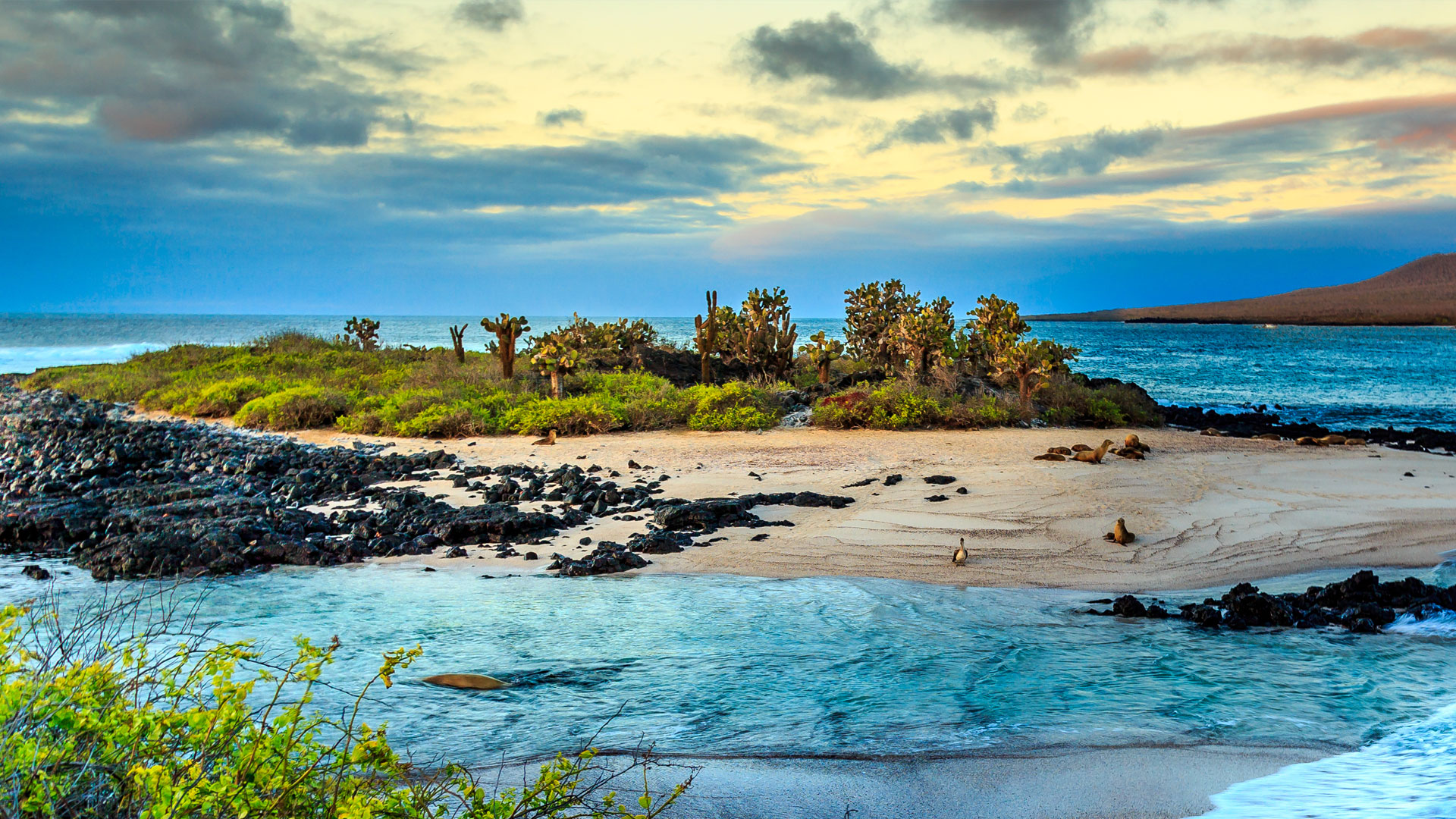
The name 'Galápagos' is derived from the Spanish word for 'turtle', reflecting the abundance of giant tortoises on the islands. Over the years, the islands have been known by various names, including the Enchanted Isles, Ecuador Archipelago, and Colon Archipelago. The geology of the Galápagos Islands is a result of continuous volcanic activity, with numerous volcanoes dotting the landscape. The archipelago is characterized by tall, rounded volcanoes with unique geological features.
The physical geography of the islands is as diverse as their history and geology. Located in the eastern Pacific Ocean, the Galápagos Islands straddle the equator, with a unique mix of northern and southern hemisphere influences. The largest island, Isabela, makes up the majority of the land area and is home to the highest point, Volcán Wolf. With 18 main islands, 3 smaller islands, and numerous rocks and islets, the archipelago offers a diverse array of landscapes and ecosystems to explore.
Exploring the main islands of the Galápagos archipelago reveals a treasure trove of natural wonders. From Baltra Island with its arid landscapes and unique vegetation to Fernandina and Isabela with their active volcanoes, each island offers a glimpse into the dynamic geology and biodiversity of the region. Visitors can witness firsthand the ongoing volcanic activity that has shaped the islands over millions of years.
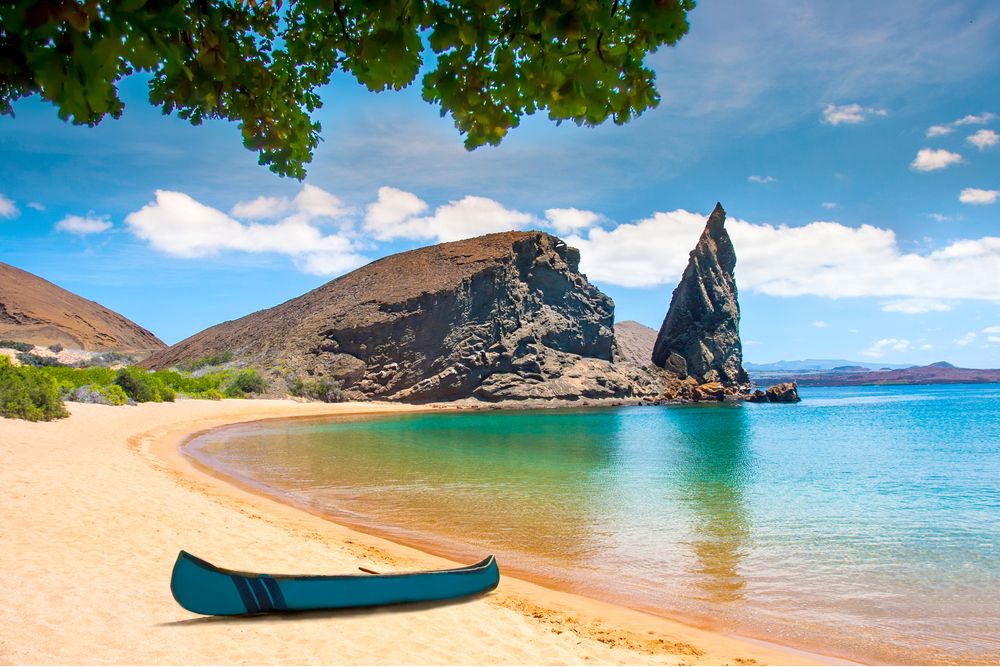
The Galápagos Islands continue to be a hotspot for scientific research and ecological conservation. With a delicate ecosystem that is home to a wide range of unique species, efforts are ongoing to protect and preserve this natural paradise. Visitors to the islands can experience the beauty and wonder of a place that played a pivotal role in shaping our understanding of the natural world. Whether exploring the diverse landscapes, observing wildlife in their natural habitats, or learning about the islands' fascinating history, a journey to the Galápagos is sure to be an unforgettable experience.
In conclusion, the Galápagos Islands stand as a testament to the power of nature and the importance of conservation. From their volcanic origins to their diverse ecosystems, these islands offer a glimpse into a world unlike any other. Whether you're a nature enthusiast, history buff, or simply seeking adventure, a visit to the Galápagos promises a truly unique and immersive experience. Explore the wonders of this remarkable archipelago and discover the magic of the Galápagos Islands for yourself.