Jan, 10 2026
Asia
Exploring Singapore: A Unique Blend of Culture and Innovation
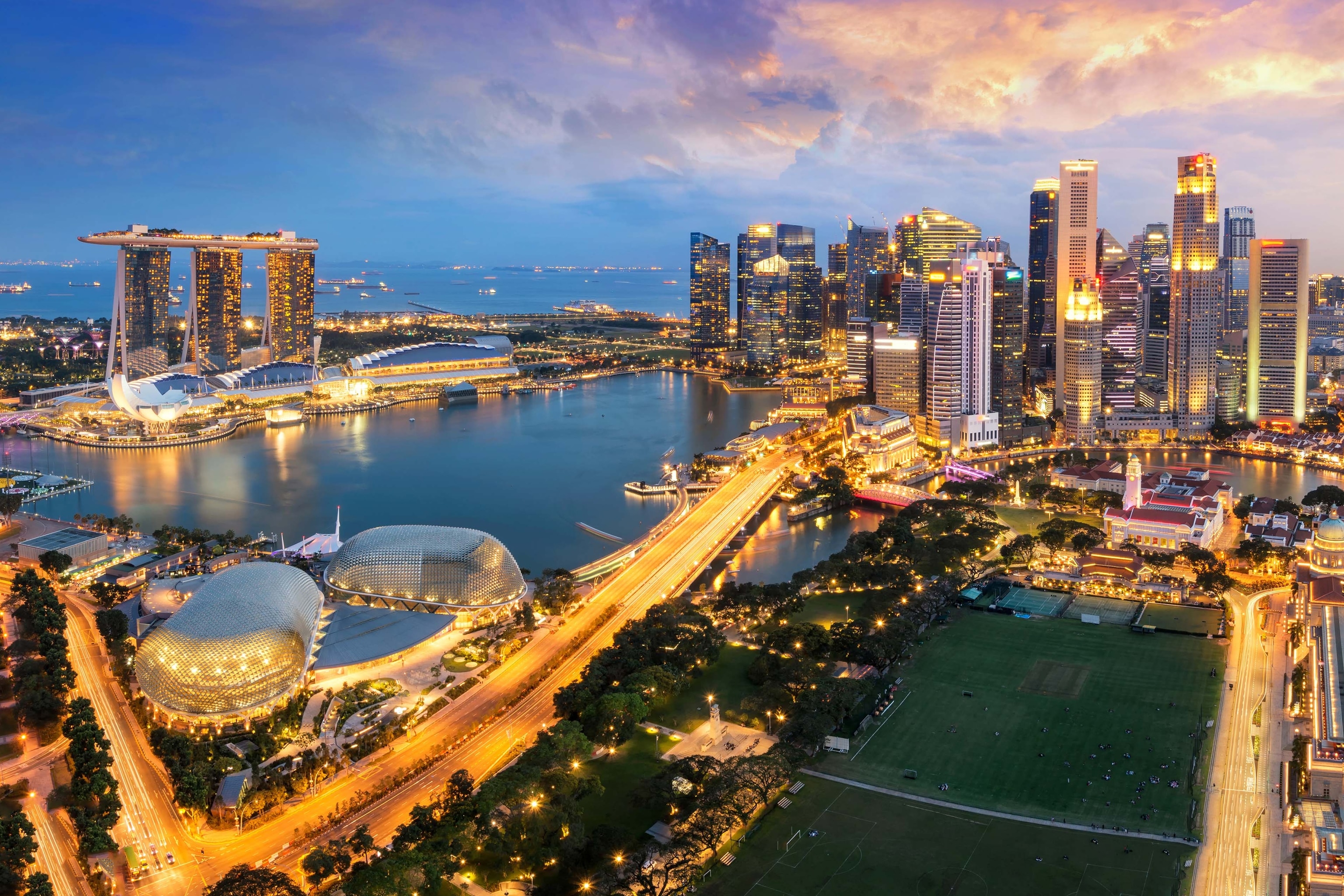
Singapore, officially the Republic of Singapore, is a captivating island country in Southeast Asia. Situated off the southern tip of the Malay Peninsula, Singapore boasts a unique geographical location, bordering the Strait of Malacca, the Singapore Strait, and the South China Sea. The country's rich history dates back to the early maritime emporium of Temasek, evolving into a significant trading post during the British colonial era.
Modern Singapore emerged in 1819 when Stamford Raffles established it as a trading post of the British Empire. Despite challenges, Singapore rapidly developed into one of the Four Asian Tigers, achieving remarkable economic growth and becoming a global financial hub. Known for its high standard of living, Singapore offers a blend of modernity and tradition, making it a compelling destination for travelers.
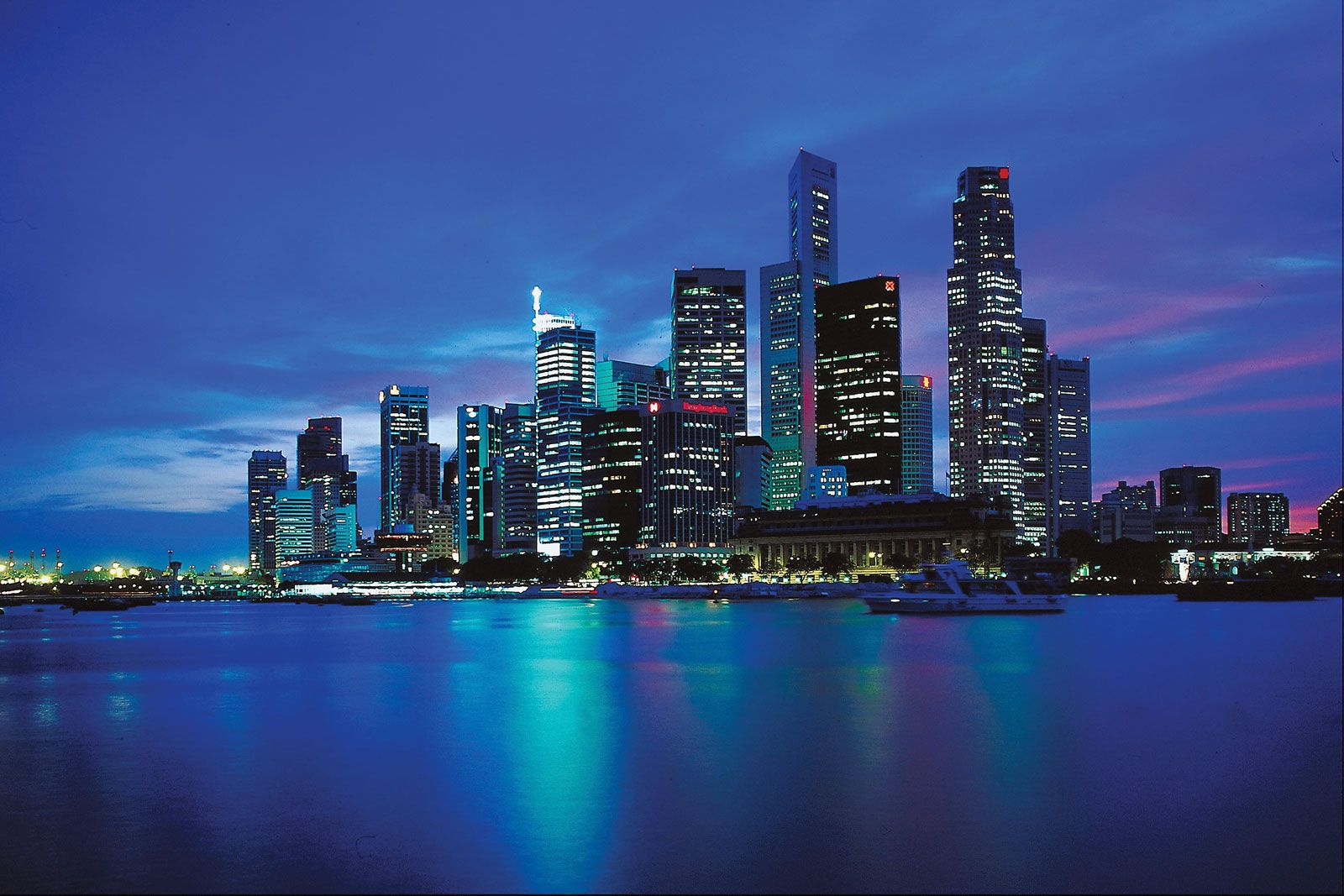
As a highly developed nation, Singapore boasts one of the highest GDP per capita in the world and serves as a major financial and shipping center. Renowned for its efficiency and cleanliness, Singapore consistently ranks as one of the most expensive cities globally. The country excels in social indicators, offering top-tier education, healthcare, and infrastructure, with a strong emphasis on safety and quality of life for its residents.
Singapore's cultural diversity is a defining feature, with four official languages – English, Malay, Mandarin, and Tamil – reflecting the multicultural fabric of the nation. The concept of multi-racialism is deeply ingrained in Singapore's identity, shaping its policies and fostering harmony among various ethnic groups. Visitors can immerse themselves in a rich tapestry of traditions, culinary delights, and vibrant festivals that celebrate the country's heritage.
The city-state of Singapore operates as a parliamentary republic with a legal system based on common law. While officially a multi-party democracy, the government, led by the People's Action Party, maintains political dominance. Singapore actively participates in international organizations and events, such as ASEAN and the United Nations, further solidifying its global presence and influence.
Exploring the history of Singapore reveals fascinating insights into its name and etymology. 'Singapura,' the Malay name for the country, means 'lion city,' with historical accounts linking it to a Sumatran prince who named the island after encountering a lion. The island's diverse historical influences, from Hindu-Buddhist culture to British colonization, have shaped Singapore's unique identity and contributed to its vibrant tapestry of traditions.
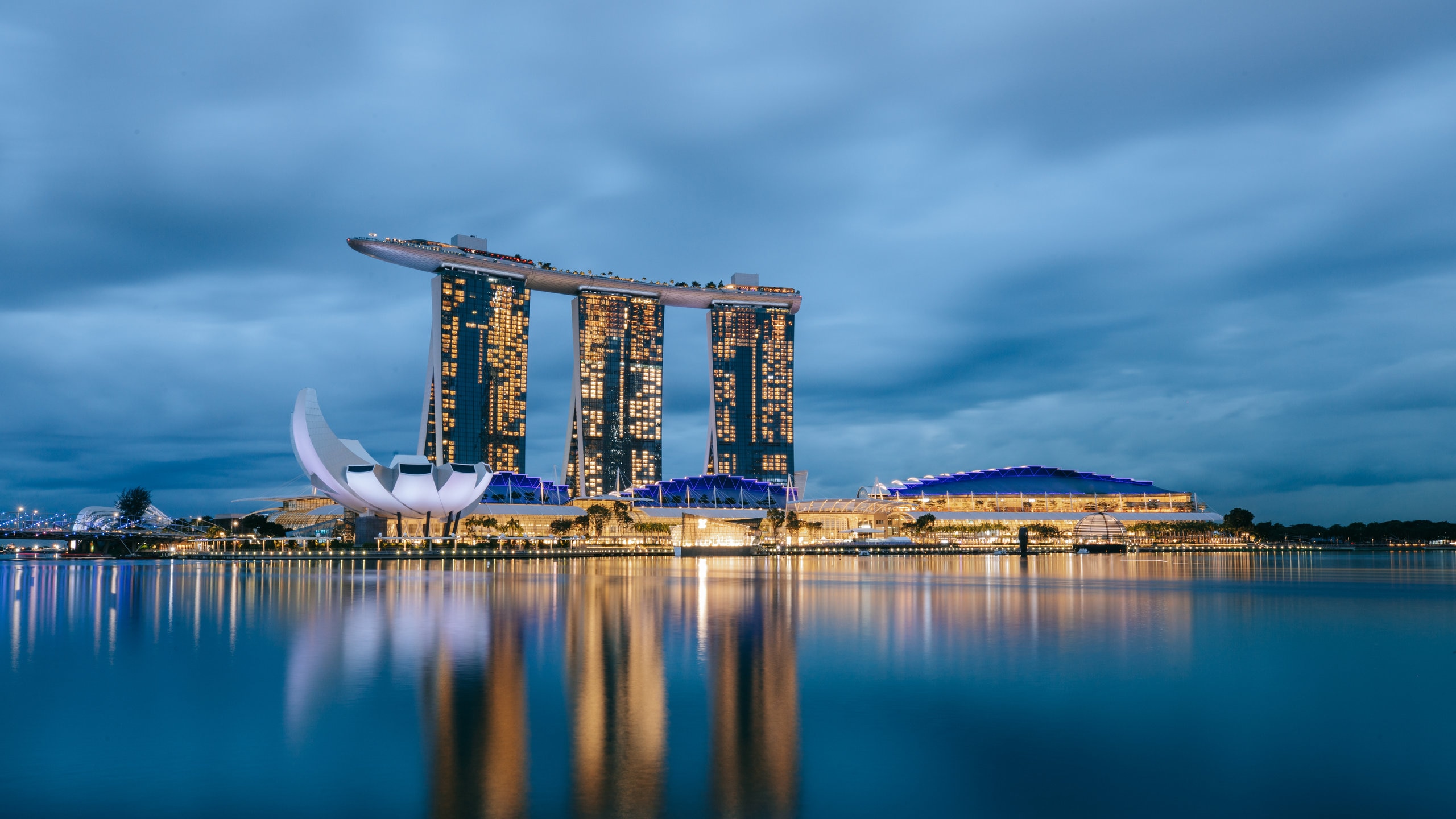
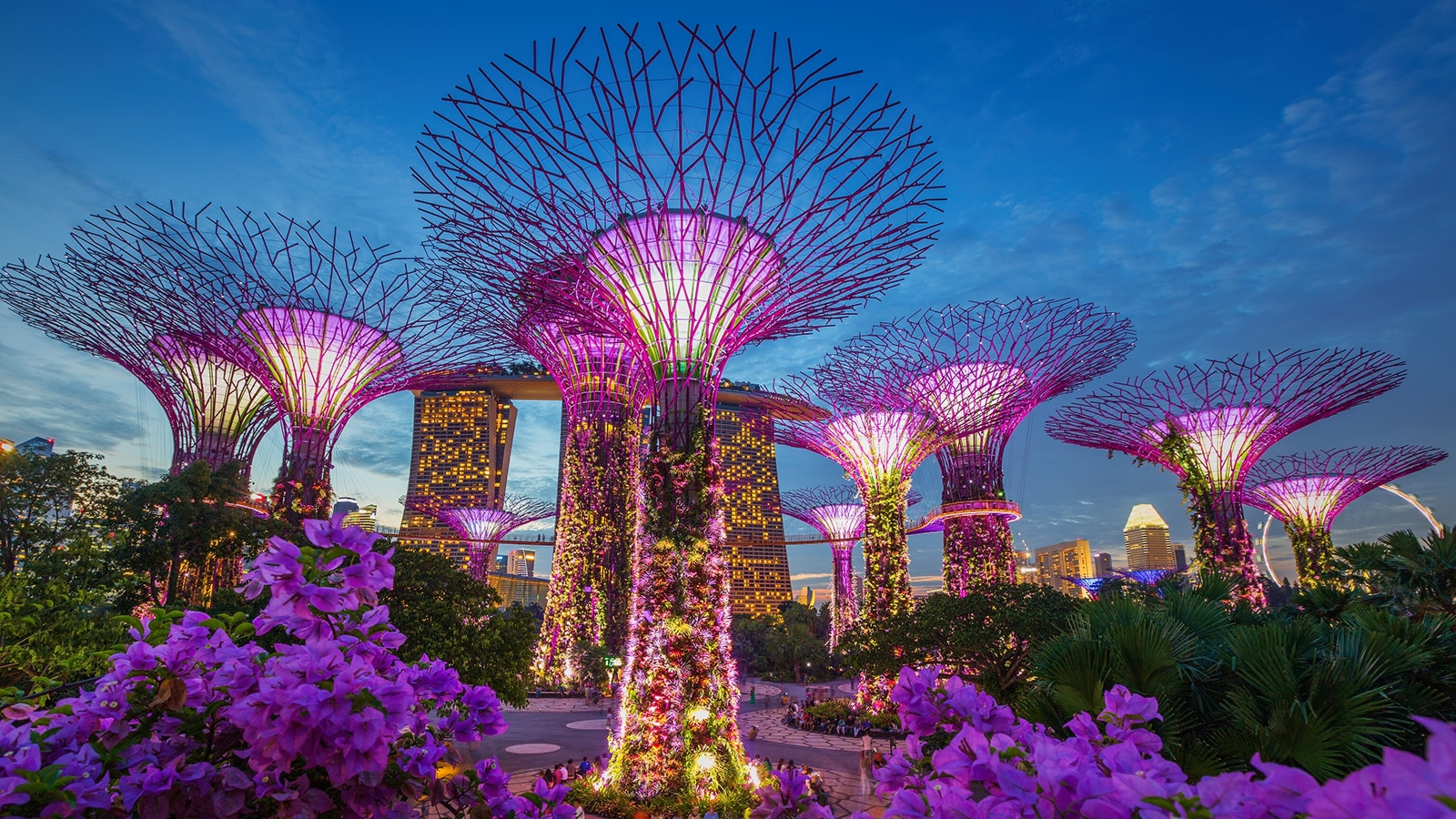
From ancient trading port to modern metropolis, Singapore offers a journey through time, blending historical landmarks with futuristic architecture. Whether exploring the bustling streets of Chinatown, marveling at the iconic Marina Bay Sands, or strolling through the lush gardens of the Botanic Gardens, Singapore presents a myriad of experiences for every traveler. Discover the allure of this dynamic city-state and immerse yourself in its captivating fusion of culture and innovation.