Mar, 10 2026
North America
Exploring Death Valley, California: Nature's Hottest Landmark
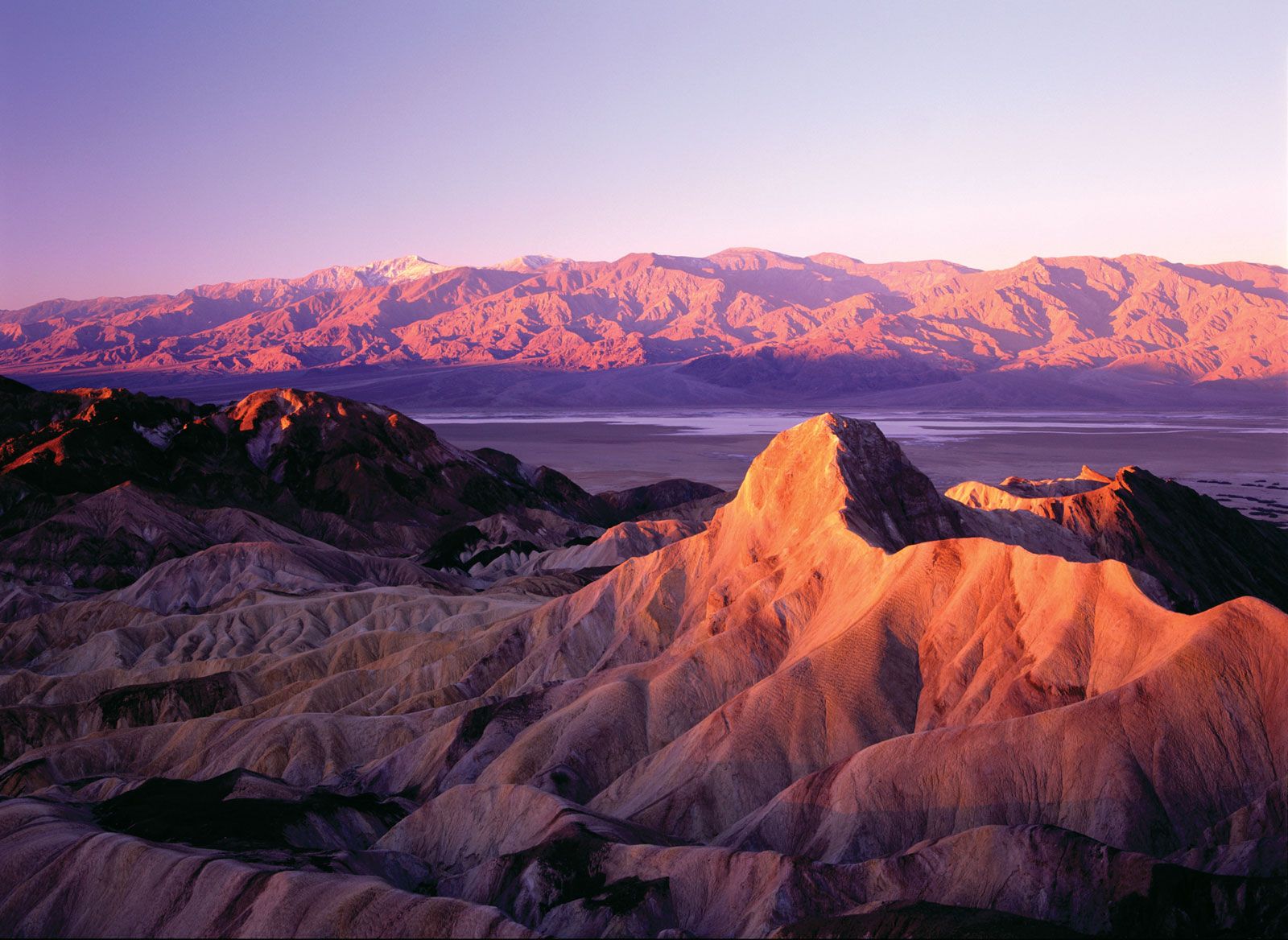
Nestled in Eastern California, Death Valley is a captivating desert valley that borders the Great Basin Desert and is known for its extreme heat, making it one of the hottest places on Earth during summer. The valley's Badwater Basin holds the title of the lowest point in North America, sitting at a staggering 282 feet (86 m) below sea level.
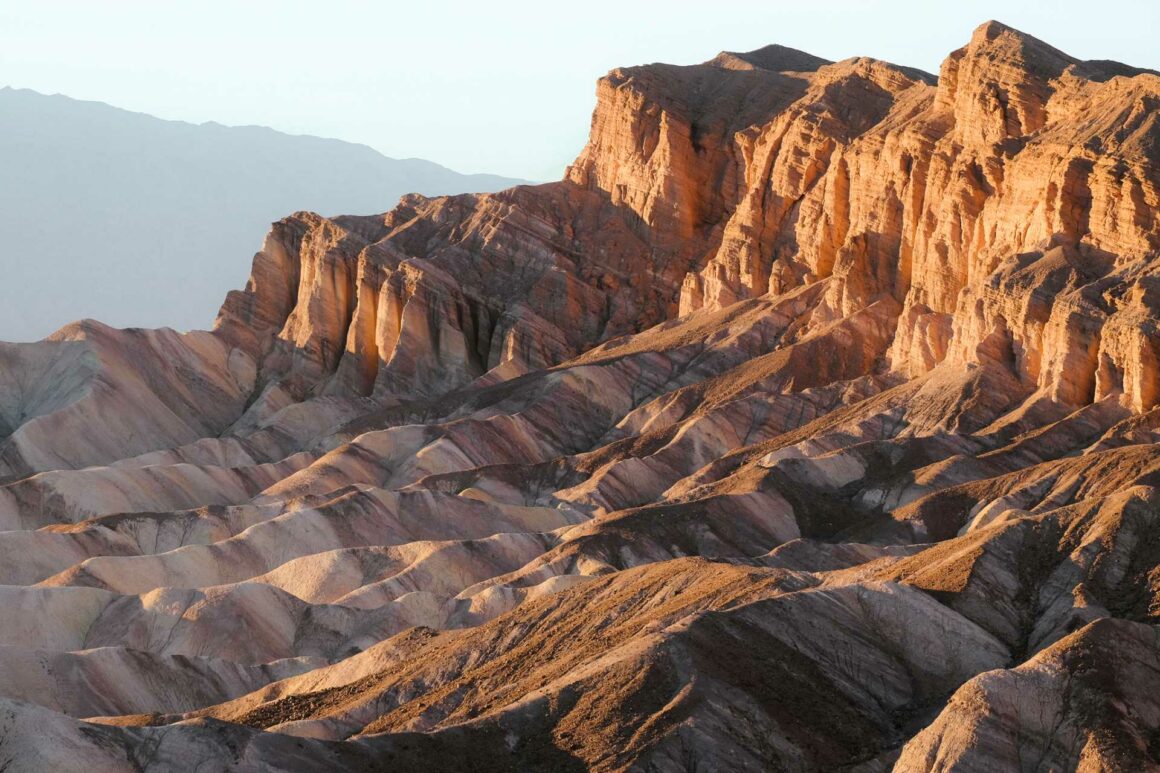
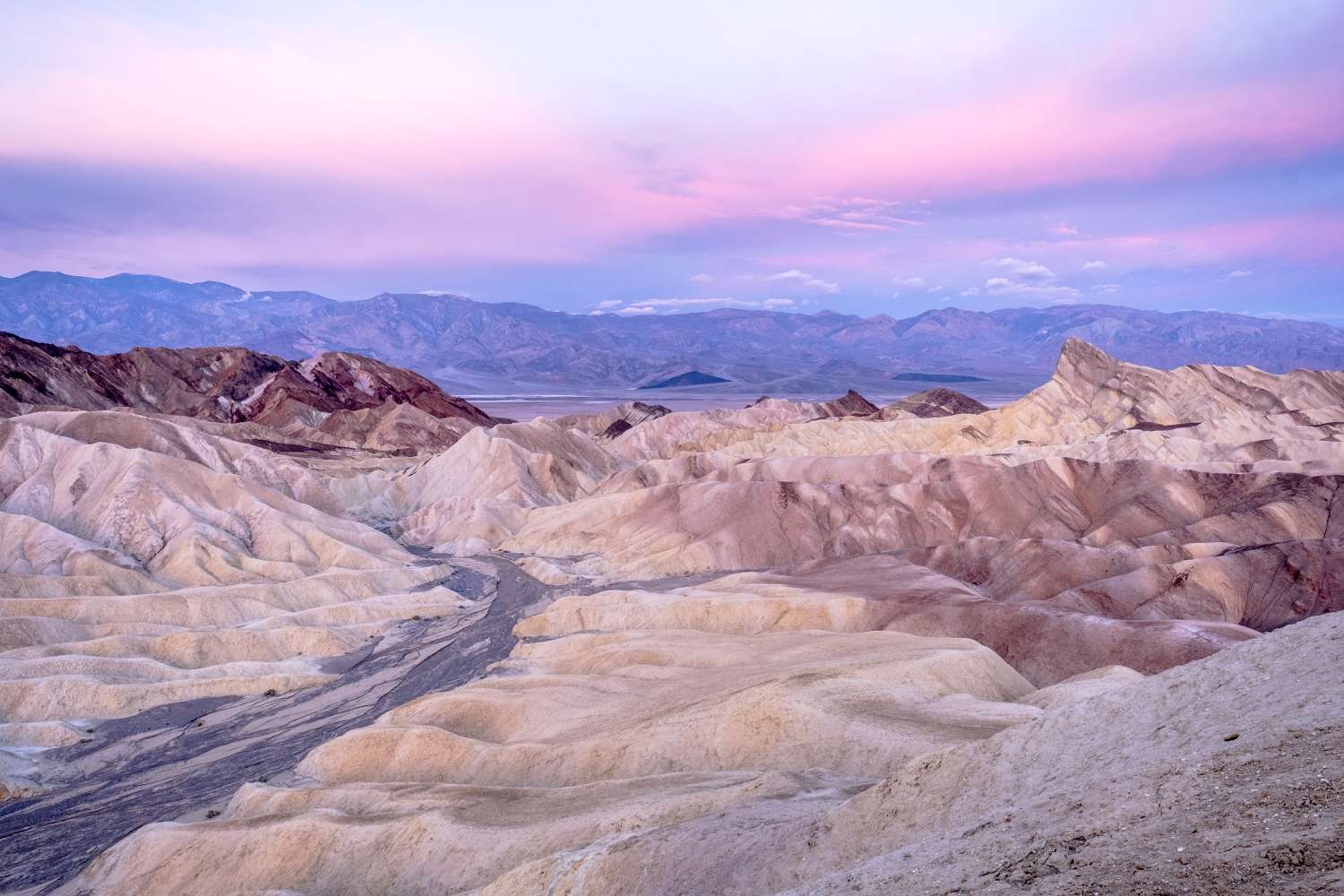
One of the most remarkable features of Death Valley is its diverse geology. The valley is a graben, a sunken block of land between mountain ranges, and is part of the Mojave and Colorado Deserts Biosphere Reserve. It boasts stunning landscapes that include salt pans, canyons, and fault systems. The area's geological history is evident in the remnants of Lake Manly, a prehistoric inland lake that once covered a vast area of Death Valley.
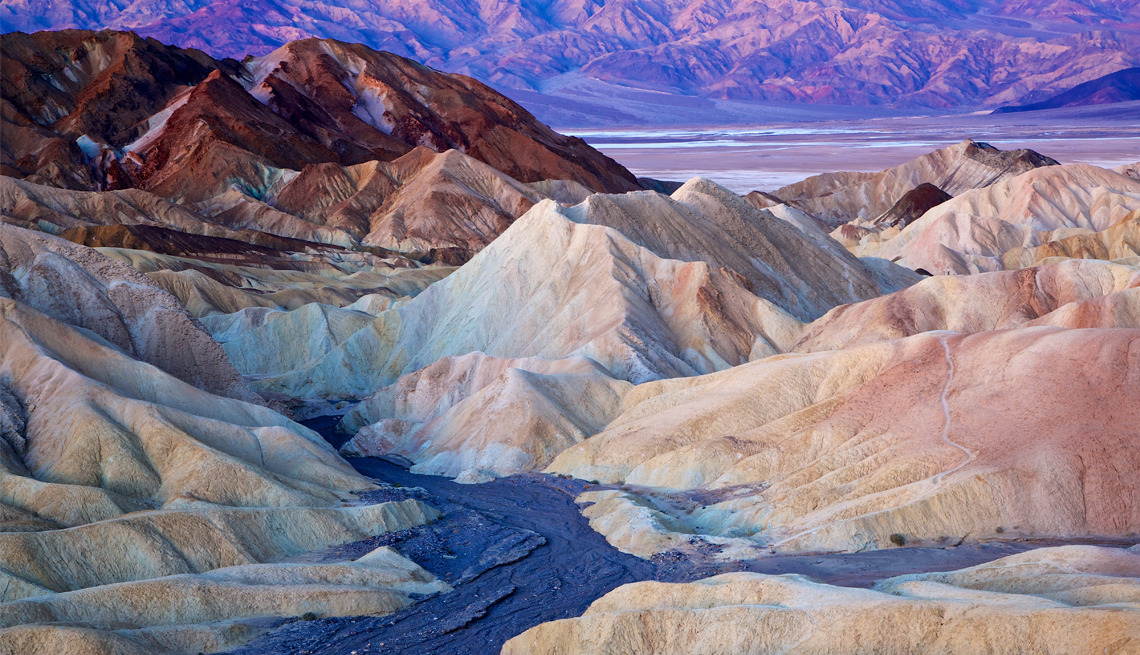
The climate of Death Valley is characterized by its subtropical, hot desert climate with scorching summers and mild winters, coupled with minimal rainfall. The extreme heat in Death Valley is a result of various factors, including solar heating, warm air trapping mechanisms, and the valley's unique topography. These elements create an environment that experiences some of the highest temperatures ever recorded on Earth.
Despite its harsh conditions, Death Valley teems with surprising biodiversity. The desert floor comes alive with vibrant wildflowers in spring, nourished by snowmelt. Visitors may spot bighorn sheep, red-tailed hawks, and even wild donkeys roaming the vast landscape. Over 600 springs and ponds dot the valley, sustaining unique wildlife such as the Death Valley Pupfish, a species that has adapted to the arid environment over millennia.
One of the most poignant aspects of Death Valley's history is its association with European-American pioneers who became lost in the valley in the mid-19th century while seeking a shortcut to California's gold fields. The valley's name reflects the struggles these pioneers faced, with only one member of the group losing their life. The Timbisha tribe of Native Americans, also known as the Panamint Shoshone, have called Death Valley home for centuries, adding to its rich cultural heritage.
Exploring Death Valley offers a unique opportunity to witness the forces of nature at work in a truly extraordinary setting. From the vast salt pans and rugged canyons to the diverse wildlife that thrives in this harsh environment, every aspect of Death Valley tells a story of resilience and adaptation. Whether you're a nature enthusiast, a history buff, or simply seeking an adventure off the beaten path, Death Valley promises an unforgettable experience that will leave you in awe of the power and beauty of the natural world.