Jan, 07 2026
Asia
Bagan: An Ancient City and UNESCO World Heritage Site
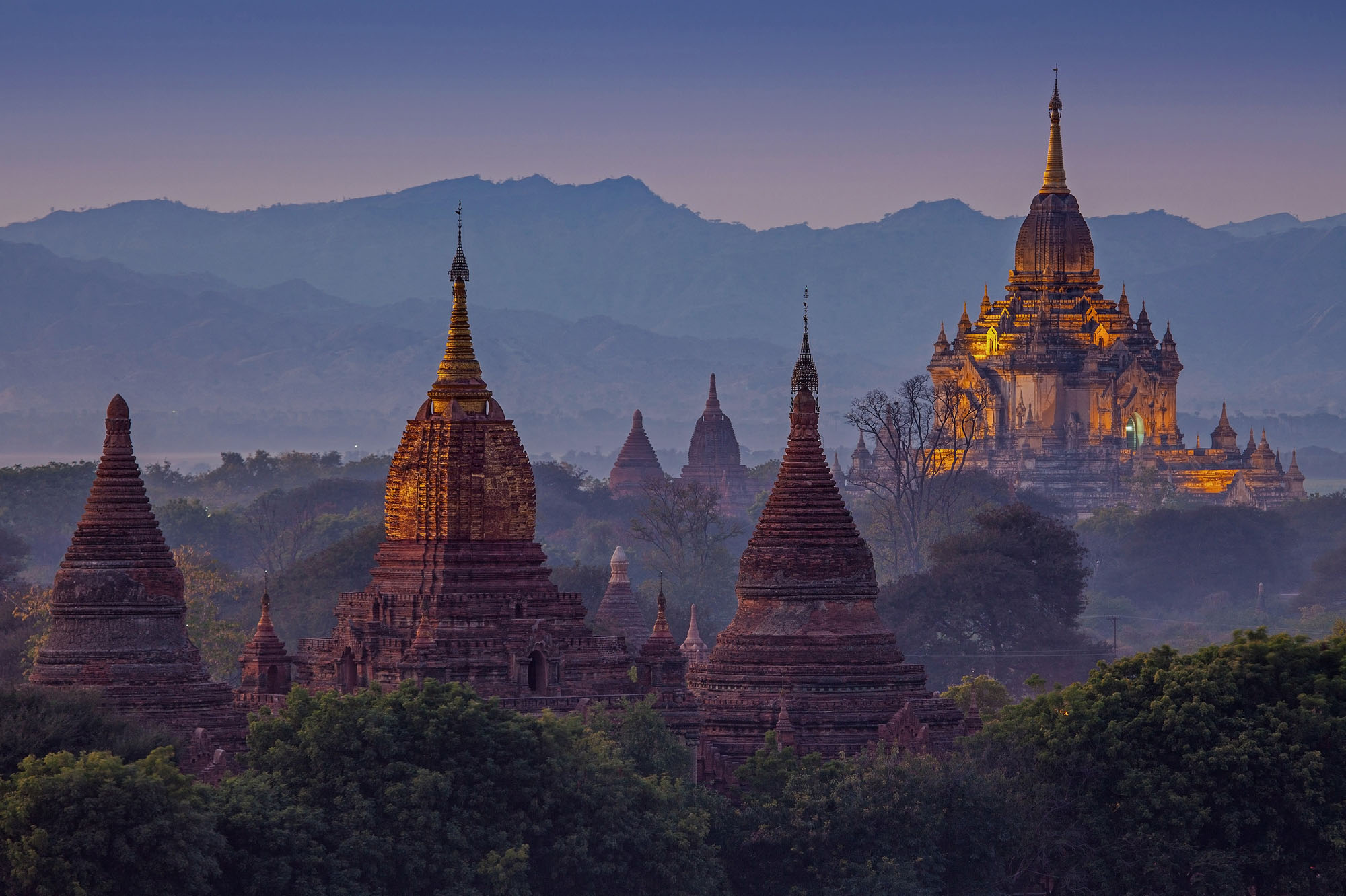
Bagan, formerly known as Pagan, is an ancient city and a UNESCO World Heritage Site in Myanmar. It served as the capital of the Pagan Kingdom from the 9th to 13th centuries, unifying the regions that would later form Myanmar. During its peak between the 11th and 13th centuries, over 10,000 Buddhist temples, pagodas, and monasteries were built in the Bagan plains, with more than 2200 surviving to this day.
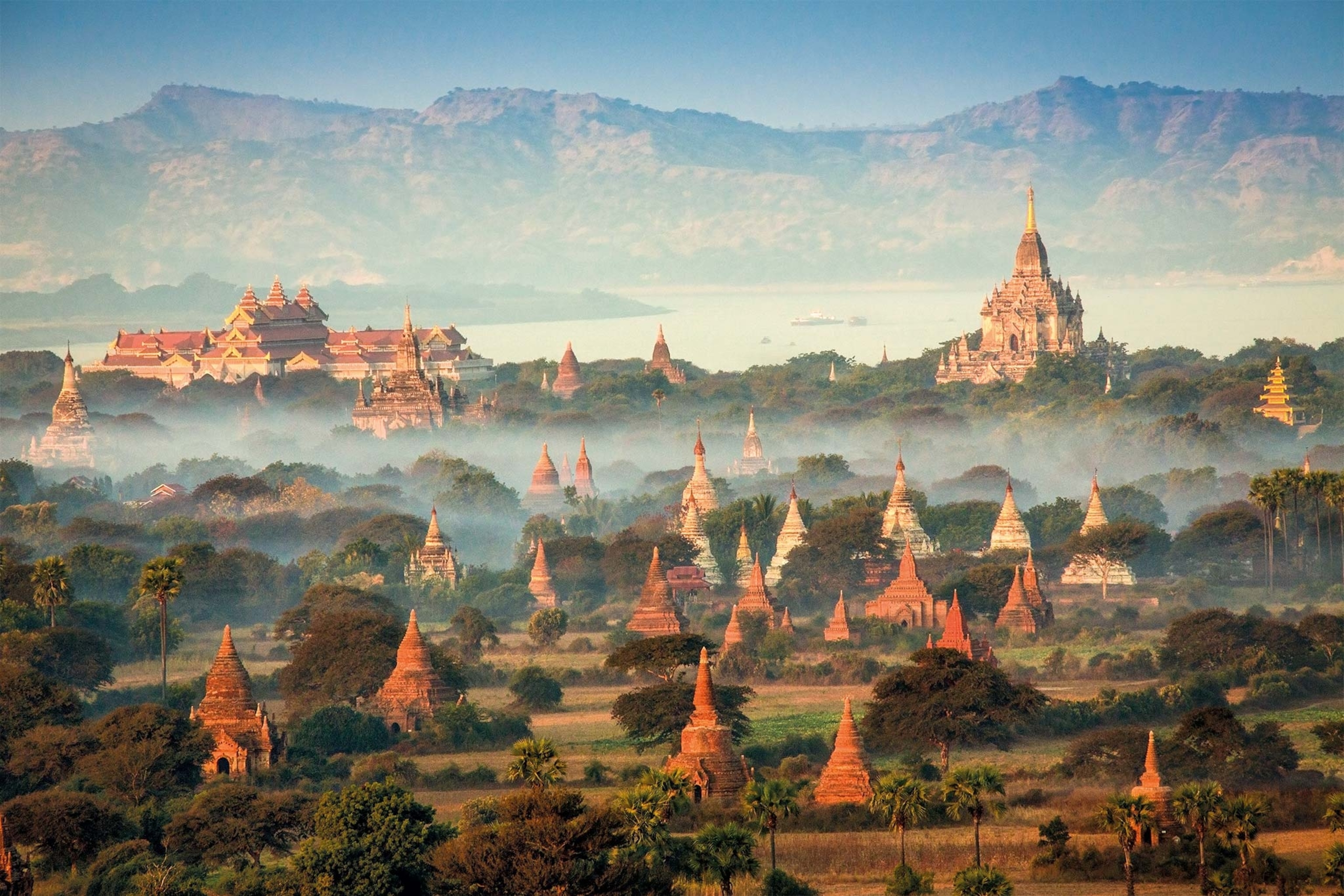
The Bagan Archaeological Zone is a significant attraction for Myanmar's growing tourism industry, drawing visitors from around the world to witness the architectural marvels and religious heritage of this ancient city.
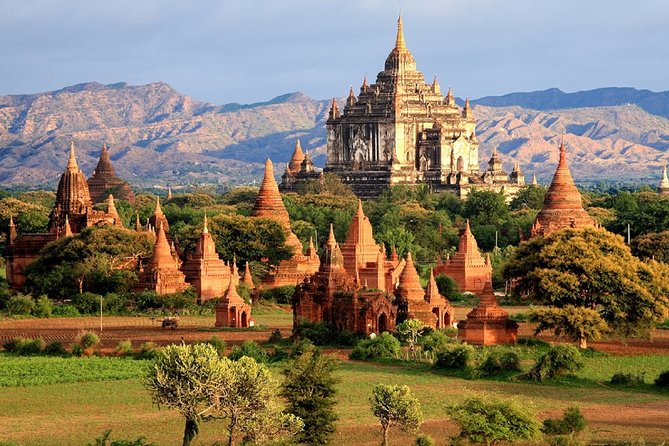
The etymology of Bagan traces back to the Burmese word Pugan, with its classical Pali name, Arimaddanapura, signifying its historical significance as 'the City that Tramples on Enemies.' The city's diverse names reflect its dry climate and cultural richness, making it a magnet for scholars, historians, and travelers seeking to delve into its past.
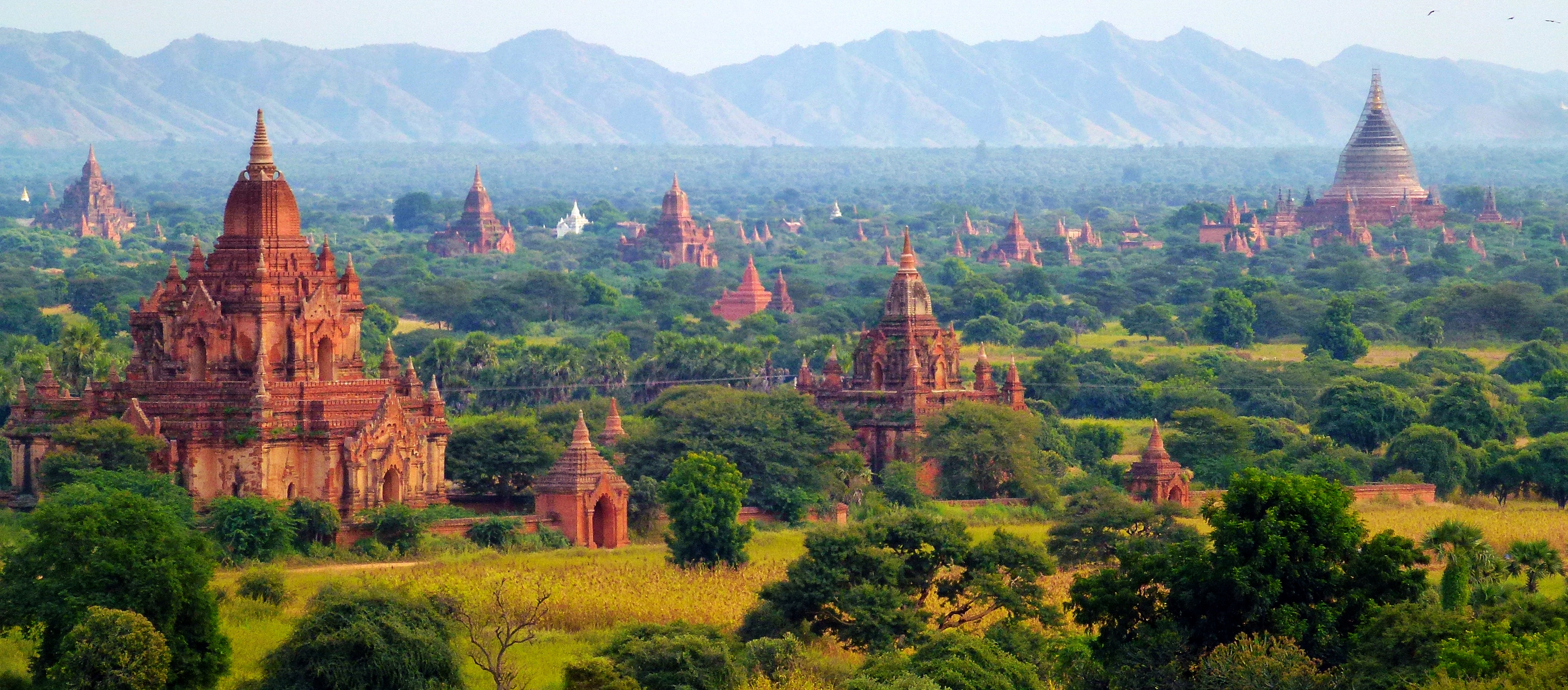
From the 9th to 13th centuries, Bagan flourished as the political, economic, and cultural hub of the Bagan Empire. Its rulers and affluent residents constructed thousands of religious structures, fostering a cosmopolitan center for religious and secular studies. Bagan's religious landscape was a blend of Theravada and Mahayana Buddhism, Hindu traditions, and native animist beliefs, creating a unique tapestry of faiths.
The architectural development of Bagan unfolded over centuries, with monumental building phases occurring from the 11th to 13th centuries. The city's layout took shape with a central walled core, expanding to accommodate a vast array of temples, stupas, and monasteries. Bagan's prosperity attracted artisans, scholars, and seekers from distant lands, enriching its intellectual and artistic heritage.
By the 13th century, Bagan's monumental construction peaked, giving rise to new clusters of temples and monasteries. The city's economic vitality fostered diverse professions from masonry to banking, drawing migrants from neighboring regions. However, Bagan's decline began with the collapse of the Pagan Empire in 1287, marking a transition in its history.
Surviving into the 15th century, Bagan continued as a pilgrimage site, though new temple constructions dwindled. State-led renovations in later centuries altered the original architectural landscape, impacting the authenticity of many structures. The city faced challenges from earthquakes, with restoration efforts sparking debates among preservationists and authorities.
In 2019, Bagan was designated as a UNESCO World Heritage Site, recognizing its historical significance and architectural heritage. Despite facing natural calamities and restoration controversies, Bagan remains a captivating destination for tourists, offering a glimpse into Myanmar's rich past and cultural legacy.