Mar, 09 2026
Antarctica
exploring-the-amundsen-scott-south-pole-station
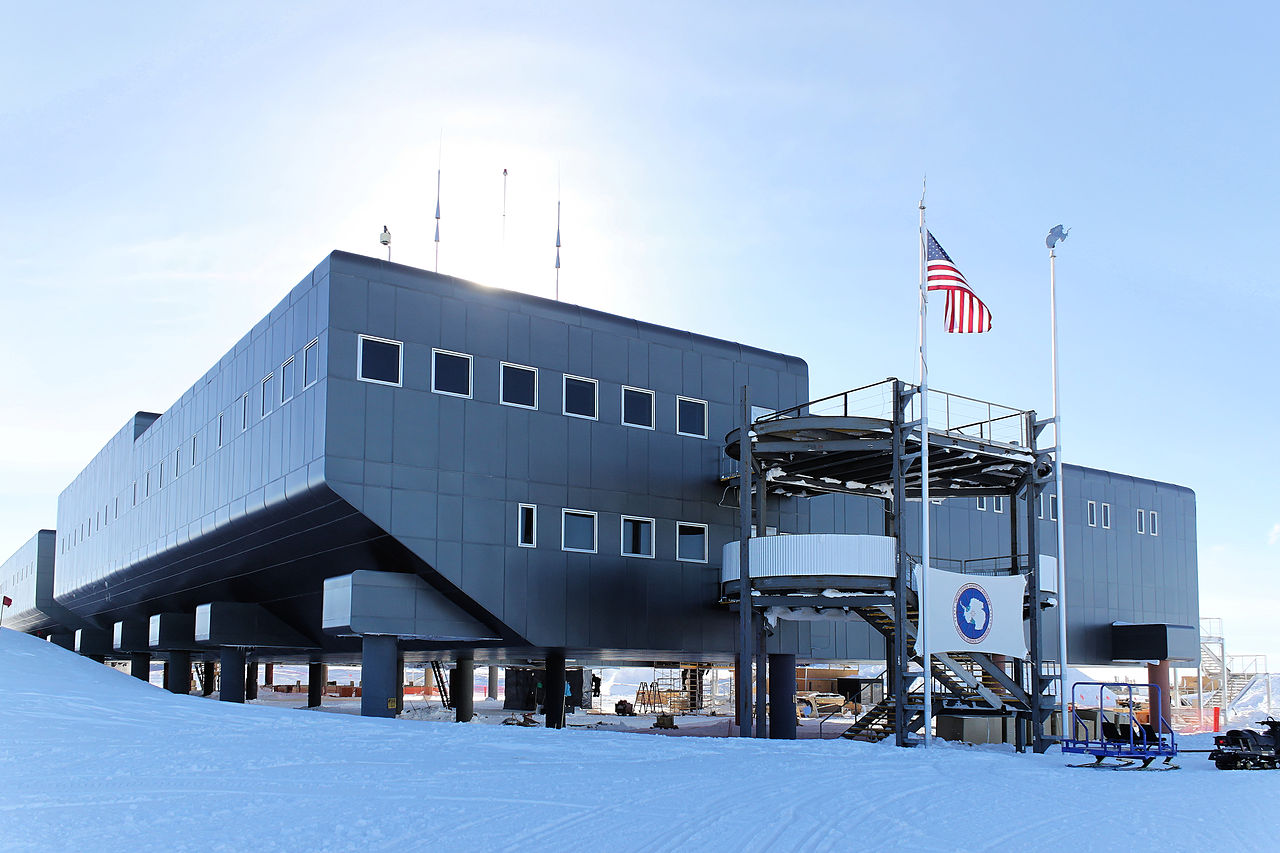
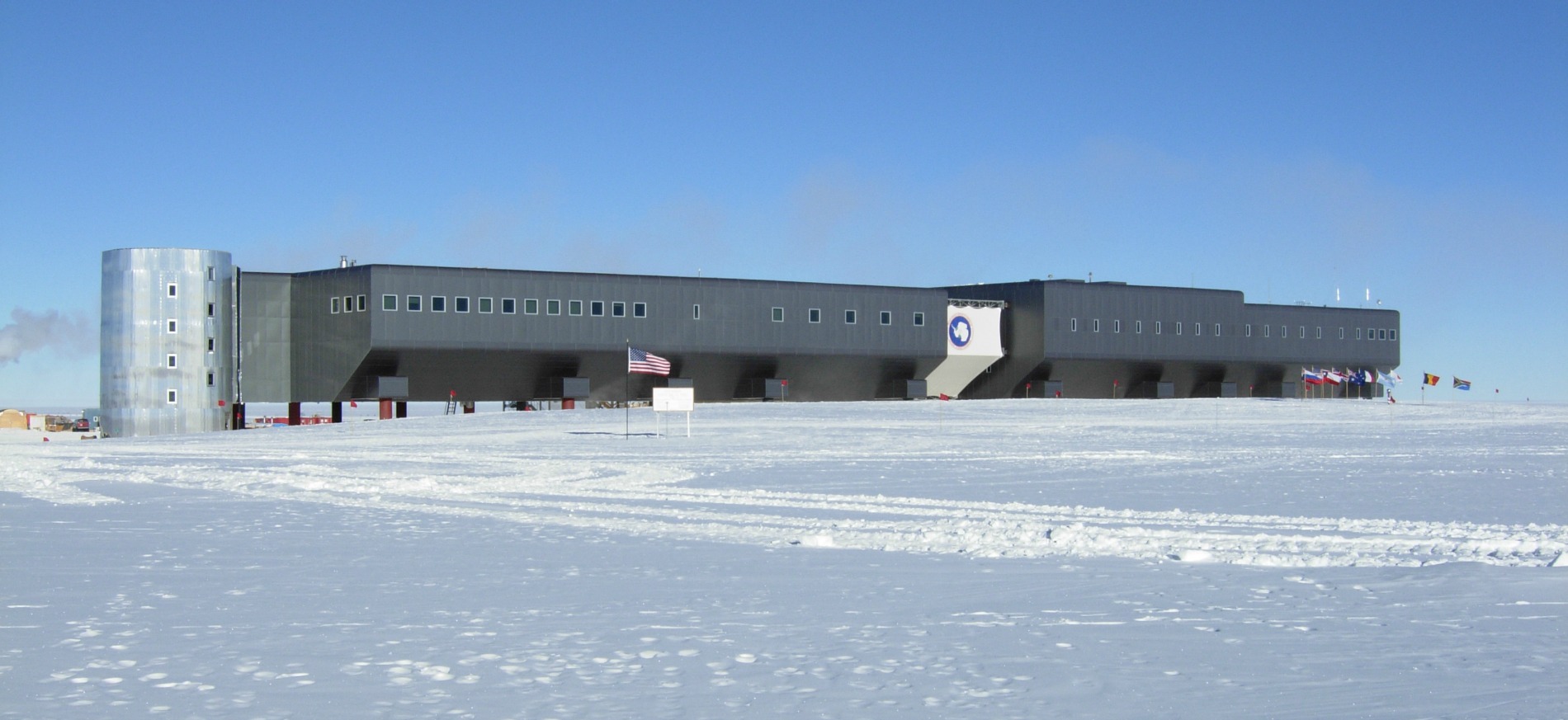
The Amundsen–Scott South Pole Station is a United States scientific research station located at the South Pole of the Earth, making it the southernmost point under U.S. jurisdiction. Situated on the high plateau of Antarctica at 9,301 feet (2,835 m) above sea level, this station is a hub of groundbreaking scientific research and exploration.
Named after the legendary Roald Amundsen and Robert F. Scott, this station was originally built in November 1956 by Navy Seabees as part of the International Geophysical Year. This marked a significant milestone in the study of the polar regions and the geophysics of Earth.

One of the unique features of the Amundsen–Scott Station is its extreme day-night cycle. During the six-month 'day', the Sun is continuously visible, followed by an equally long 'night' with temperatures dropping below −73 °C (−99 °F). This cycle provides an excellent environment for astronomical observations and research, attracting scientists from around the world.
The station's population varies seasonally, with a peak of around 150 people during the summer operational season. In recent years, the wintertime population has been around 50 individuals. Supplies are delivered seasonally, with logistical support flowing through McMurdo Station on Ross Island.
The history of the station is rich, dating back to the International Geophysical Year and the establishment of the Antarctic Treaty. Over the years, the station has been rebuilt and upgraded several times to accommodate the evolving needs of scientific research and exploration in Antarctica.
The Amundsen–Scott Station has seen different structures over the years, from the original station built in 1957 to the iconic Buckminster Fuller geodesic dome constructed in 1975. The dome era marked significant advancements in scientific research, especially in astrophysics and atmospheric studies.
In 2008, a new elevated station was constructed adjacent to the Dome, featuring a modern 80,000 sq ft building with two levels. This state-of-the-art facility, dedicated in 2008, represents the latest chapter in the history of the Amundsen–Scott South Pole Station, continuing its legacy of scientific excellence.
Today, the station stands as a beacon of human endeavor and collaboration in one of the harshest environments on Earth. It serves as a testament to the spirit of exploration and the pursuit of knowledge, drawing scientists and researchers to unravel the mysteries of Antarctica and beyond.